
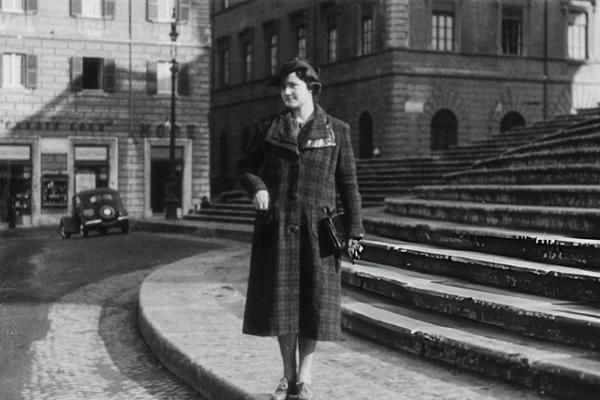
The Roaring Twenties marked a pivotal moment in fashion history, as the world emerged from the shadows of World War I. The year 1920 brought with it a sense of liberation and a new era of self-expression, particularly for women.
The aftermath of the war had a profound effect on society and culture, leading to a revolution in style. As women gained more independence, their clothing reflected this change, embracing simplicity and freedom of movement.
This guide will take you on a journey through the iconic silhouettes, revolutionary accessories, and bold beauty trends that defined the decade. Discover how the 1920s represented not just a style revolution but a social one, influencing generations to come.
Table of Contents
The Dawn of a Fashion Revolution
The post-war period saw a dramatic shift in women’s style, as the 1920s ushered in an era of unprecedented freedom and self-expression. This was a time when women were breaking away from the traditional norms and embracing a more modern way of living.
Post-War Liberation and Social Change
The end of World War I brought about significant social change, including a revolution in women’s fashion. As women gained more independence and entered the workforce, their clothing needs changed. They required garments that were practical, comfortable, and suitable for their new roles in society. The 1920s style for women was characterized by simplicity and practicality, reflecting their changing lifestyles.
- The rise of the New Woman, who rejected Victorian ideals of femininity.
- A shift towards more androgynous clothing that prioritized comfort and mobility.
- The adoption of shorter hemlines and dropped waists defined the flapper look.
The Birth of the New Woman
The New Woman of the 1920s was a powerful cultural icon who embodied independence, vitality, and self-determination. Her style was marked by a more youthful and energetic look, achieved through simplified lines, dropped waists, and shorter hemlines. This new look was not just about aesthetics; it was also about functionality, as women’s clothing began to accommodate their modern lifestyle, including activities like driving cars, playing sports, and dancing.
The emergence of the New Woman in the 1920s was a significant cultural phenomenon, symbolizing a break from the past and a step towards a more liberated future. The fashion of this era, characterized by the flapper style, was a manifestation of this newfound freedom and the changing roles of women in society.
Understanding 1920s Fashion Trends for Women
The 1920s were a decade that revolutionized women’s fashion, introducing a more liberated and modern approach to style. This era saw a significant shift away from the restrictive and ornate clothing of the Victorian period, embracing a more youthful, vibrant aesthetic.
The Shift from Victorian Restrictions
The early 20th century marked a departure from the tightly corseted silhouettes and elaborate dresses that characterized the Victorian era. As women gained more freedom and independence, their clothing adapted to reflect this newfound liberation. The introduction of more practical and less restrictive garments allowed women to participate in activities previously deemed impossible or improper.
The dropped waist, a hallmark of 1920s fashion, became a defining feature of this new era, creating a straight, boyish line that rejected the hourglass figure of previous eras.
| Characteristic | Victorian Era | 1920s |
| Silhouette | Tightly corseted, hourglass | Straight, boyish, dropped waist |
| Hemline | Floor-length | Rising to knee-length by mid-decade |
| Emphasis | Matronly, ornate | Youthful, streamlined |
Key Elements of the Roaring Twenties Style
The Roaring Twenties style was characterized by several key elements, including the iconic dropped waist, rising hemlines, and a more tubular, streamlined silhouette. Embellishments such as beading, fringe, and embroidery added movement and visual interest to garments, making them perfect for the energetic dances of the era.
The overall look was completed with bobbed hair, cloche hats, long pearl necklaces, and T-strap shoes, creating a cohesive style that was both practical and fashionably distinctive.
The Iconic Flapper: Symbol of the Era
The flapper phenomenon was more than a fashion trend; it was a declaration of independence for young women in the 1920s. Characterized by their modernist outlook and daring style, flappers embodied the era’s spirit of liberation and change.
Defining the Flapper Aesthetic
The flapper’s style was revolutionary, marked by shorter skirts, bobbed hair, and a more boyish figure. This aesthetic was not just about looks; it represented a profound cultural shift. Young women were openly challenging social norms through their clothing choices, signaling a generational divide.
The flapper’s fashion choices were deeply political, with shorter skirts and bobbed hair serving as deliberate rejections of traditional gender roles and expectations. As F. Scott Fitzgerald noted, flappers were the first American girl to be free, symbolizing broader social changes through their fashion.
The Cultural Significance of Flapper Fashion
The flapper movement was international, spreading from Paris and New York to small towns across America, representing one of the first truly global youth fashion phenomena. Despite criticism from religious leaders and social conservatives who viewed flapper fashion as immoral, these young women persisted in their sartorial rebellion, permanently changing how women dressed and behaved in public.
| Characteristics | Description | Cultural Impact |
| Shorter Skirts | Rising hemlines that reflected a more liberated attitude | Challenged traditional modesty norms |
| Bobbed Hair | Adoption of shorter hairstyles, symbolizing independence | Marked a break from traditional femininity |
| Boyish Figure | Use of clothing and undergarments to achieve a less curvy silhouette | Reflected a shift away from traditional beauty standards |
The flapper’s influence extended beyond fashion, representing a broader movement towards social change and gender equality. Their legacy continues to inspire contemporary fashion and cultural narratives.
Silhouettes and Dress Styles
The Roaring Twenties brought about a seismic shift in women’s fashion, particularly in the realm of silhouettes and dress styles. This era was characterized by a move away from the more restrictive and formal clothing of the past, embracing a more liberated and modern approach to fashion.
The Revolutionary Dropped Waist
One of the defining features of 1920s fashion was the dropped waist, a style that moved away from the traditional waistline to a position below the natural waist. This revolutionary design allowed for a more boyish figure, reflecting the era’s shift towards a more androgynous silhouette. The dropped waist became a hallmark of the flapper style, symbolizing freedom and modernity.
Hemlines Through the Decade
Hemlines in the 1920s were a dynamic aspect of women’s fashion, changing significantly over the decade. Initially, hemlines rose to just above the knee, a radical change from the longer skirts that preceded them. As the decade progressed, hemlines continued to fluctuate, influenced by both cultural and social factors. By the end of the decade, hemlines had begun to drop again, reflecting a more conservative shift in societal attitudes.
Day Dresses vs. Evening Wear
The distinction between day dresses and evening wear became more pronounced during the 1920s. Day dresses were designed for practicality, featuring simpler lines, lighter fabrics, and less embellishment. In contrast, evening wear was characterized by luxury and glamour, with lavish embellishments such as beading, sequins, and embroidery. While both categories maintained the essential 1920s silhouette, they differed significantly in terms of ornamentation and formality, allowing women to transition appropriately from daytime activities to evening entertainment.
Evening dresses, though sometimes still reaching the ground, often followed the hemline trends of daywear, as seen in the evolution from 1924 to 1929. The simplicity in construction was key to both daywear and evening wear, but the latter was distinguished by its ornate decoration, creating glamorous nighttime looks that defined the decade’s fashion.
- Day dresses emphasized practicality with simpler lines and lighter fabrics, reflecting women’s increasingly active lifestyles.
- The distinction between day and evening wear became more pronounced, with specific styles appropriate for different occasions and times of day.
- Evening wear was characterized by luxury, featuring lavish embellishments that created glamorous effects in nightclubs and dance halls.
Influential Designers of the 1920s
As the Roaring Twenties unfolded, pioneering designers like Coco Chanel and Jeanne Lanvin left an indelible mark on the fashion world. Their innovative designs not only reflected the modernity and liberation of the era but also shaped the course of fashion history.
Coco Chanel’s Revolutionary Approach
Coco Chanel was a trailblazer in the world of fashion, introducing a modernist approach that emphasized simplicity, comfort, and practicality. Her designs were a stark contrast to the restrictive and ornate clothing that dominated the pre-war era. Chanel’s influence extended beyond her clothing designs, as she also popularized the little black dress and became a cultural icon of the 1920s.
Chanel’s revolutionary approach to fashion was characterized by clean lines, minimal ornamentation, and a focus on comfort. Her designs empowered women to adopt a more modern and independent lifestyle, reflecting the changing roles and aspirations of women during the 1920s.
Jeanne Lanvin and the Robe de Style
While Chanel was known for her modernist and minimalist aesthetic, Jeanne Lanvin offered a contrasting vision with her exquisite and feminine designs. Lanvin’s signature Robe de Style was a hallmark of 1920s elegance, characterized by a fitted bodice and a full, flowing skirt that was often adorned with intricate embroidery or beading.
Lanvin’s designs provided an alternative to the dominant flapper style, catering to women who preferred a more romantic and feminine approach to fashion. Her use of color, particularly her signature Lanvin blue, became a defining feature of her designs, and her garments were renowned for their exquisite craftsmanship and attention to detail.
- While Chanel’s designs were revolutionary in their simplicity, Lanvin’s Robe de Style offered a more opulent and feminine alternative, showcasing the diversity of 1920s fashion.
- Lanvin’s work was characterized by intricate details such as embroidery, beading, and appliqué, elevating her garments to works of art.
- The contrast between Chanel’s modernity and Lanvin’s romanticism highlighted the multifaceted nature of 1920s fashion, catering to a wide range of tastes and preferences.
Fabrics and Materials of the Decade
In the 1920s, the intersection of fashion and technology led to the development of new materials and embellishments that characterized the era’s aesthetic. This decade was pivotal for the evolution of textiles, influencing both everyday wear and high fashion.
Popular Textiles and Their Significance
The 1920s saw a rise in the use of versatile fabrics such as cotton, silk, and rayon. Rayon, in particular, was a new synthetic fiber that became popular due to its silk-like texture and affordability. These materials were not only comfortable but also facilitated the modern, liberated lifestyle of women during this era.
| Fabric | Characteristics | Usage |
| Cotton | Breathable, durable | Daywear, casual clothing |
| Silk | Luxurious, smooth texture | Evening wear, high fashion |
| Rayon | Affordable, silk-like | Wide range of clothing, from casual to formal dress |

Embellishments: Beading, Sequins, and Fringe
The glamour of 1920s evening wear was largely due to the use of embellishments such as beading, sequins, and fringe. These decorative elements added movement and drama to garments, making them ideal for the energetic dances of the period. The contrast between simple silhouettes and lavish embellishments created a distinctive tension that defined 1920s fashion.
Beading techniques reached new heights of sophistication, with intricate patterns inspired by Art Deco geometry and Egyptian motifs. Sequins became more widely available due to new manufacturing techniques, allowing for more affordable embellished garments. Fringe emerged as a particularly iconic embellishment, adding a dynamic element to otherwise simple dress designs.
Essential 1920s Accessories
As hemlines rose and silhouettes changed, accessories became the defining features of 1920s fashion, reflecting the era’s vibrant culture. The right accessories could make or break an outfit, and women of the 1920s took great care in selecting hats, jewelry, and shoes that complemented their style.
The Iconic Cloche Hat
The cloche hat, with its close-fitting, bell-shaped design, was a hallmark of 1920s headwear. It framed the face, emphasizing the modern woman’s features. Made famous by designers like Coco Chanel, the cloche hat became an iconic symbol of the era’s fashion trends.
Jewelry Trends: Pearls, Art Deco, and More
Jewelry in the 1920s was characterized by the rise of Art Deco, with its geometric patterns and bold designs. Pearls remained a timeless favorite, often worn in long strands or as elegant earrings. The era also saw the popularity of beaded jewelry, fringe necklaces, and brooches that added a touch of glamour to any outfit.
| Jewelry Type | Description | Notable Features |
| Pearl Necklaces | Classic and timeless, often worn in multiple strands | Elegant, sophisticated |
| Art Deco Jewelry | Geometric patterns, bold designs | Modern, glamorous |
| Beaded Jewelry | Intricately designed with beads and sequins | Ornate, eye-catching |
Footwear: T-Straps, Mary Janes, and Dance Shoes
The 1920s witnessed a revolution in footwear, with shoes becoming a visible and essential part of women’s fashion due to rising hemlines. The T-strap shoe, a variation of the Mary Jane, emerged as a defining style, offering both security and visual appeal. Dance shoes, with their secure straps and moderate heels, were designed to accommodate the energetic movements of the Charleston.
- T-strap shoes featured a strap that formed a T shape across the instep and around the ankle.
- Mary Jane styles remained popular for day wear, often with chunky, Cuban heels.
- Dance shoes were designed with flexibility and comfort in mind, suitable for the era’s popular dances.
The transformation in footwear during the 1920s not only reflected the decade’s fashion trends but also influenced the way women lived and interacted. With a wide range of shoes available for different occasions, women’s style became more versatile and expressive.
The Boyish Figure and Beauty Standards
The dawn of the 1920s brought with it a revolution in women’s beauty standards, favoring a straighter, more androgynous figure. This shift was not merely aesthetic; it reflected broader societal changes, including the liberation of women from traditional roles and the embrace of more active, modern lifestyles.
Abandoning the Curves
The traditional hourglass figure, once the epitome of femininity, gave way to a more boyish silhouette. This change was driven by the increasing popularity of sports and physical activities among women, as well as the influence of the suffrage movement, which sought to empower women beyond traditional gender roles. The new ideal was characterized by a flattened chest and a straighter waistline, achieved through innovative undergarments.
Undergarments and Shape-Wear Evolution
Undergarments underwent a significant transformation to conform to the new beauty standards. The rigid corsets of the past were replaced by lighter, more flexible foundation garments. Key developments included:
- Girdles that smoothed the hips and thighs without restricting movement.
- Bandeau brassieres that flattened the bust, creating a boyish chest ideal.
- Thin camisoles and cami-knickers, later known as panties or knickers, made from rayon and soft, light colors, were suitable for wear under semi-transparent fabrics.
- All-in-one lingerie that became popular during the mid-1920s, offering a streamlined silhouette.
| Undergarment | Description | Material |
| Girdles | Smoothed hips and thighs | Elasticized fabrics |
| Bandeau Brassieres | Flattened the bust | Lightweight materials |
| Camisoles and Knickers | Comfortable, lightweight undergarments | Rayon |
The shift in undergarments not only reflected the changing beauty standards but also contributed to the liberation of women, allowing for greater freedom of movement and comfort in their daily clothing and dresses. This revolution in women’s undergarments was a crucial aspect of the broader changes in 1920s fashion, influencing how women dressed and presented themselves throughout the decade.
Hair and Makeup Transformations
The decade witnessed a revolution in hair and makeup trends, signaling a departure from traditional norms. As women embraced a more modern and liberated lifestyle, their beauty routines underwent a significant transformation. This change was not just about aesthetics; it reflected the broader cultural shifts towards greater freedom and equality.
The Revolutionary Bob Haircut
The bob haircut emerged as a defining feature of the modern woman in the 1920s. Characterized by its short length, typically around the jawline or ears, the bob was a bold statement against the long hair that was once considered a hallmark of femininity. Many women cut their hair into a bob, embracing this radical new look as a symbol of their independence.
Popular Hairstyles: Finger Waves and Eton Crops
Besides the bob, other popular hairstyles included finger waves and Eton crops. Finger waves added a touch of sophistication with their sleek, wavy pattern, while Eton crops represented an even more daring cut, often associated with a boyish, androgynous look. These styles were not just fashionable; they were also practical for the modern woman on the go.
Makeup Trends: The New Bold Look
The 1920s witnessed a makeup revolution as cosmetics became more acceptable for respectable women to wear in public. Key trends included dark, smoky eyes created with kohl eyeliner and smudged eyeshadow, and the cupid’s bow lip, which was overdrawn to create a distinctive bow shape. Rouge was applied in circular patterns on the cheeks, creating a doll-like flush. Perhaps most revolutionary was the trend for suntanned skin, signaling leisure time and modern sensibilities.
The Influence of Jazz on 1920s Fashion
Jazz, with its improvisational spirit and energetic rhythms, played a pivotal role in shaping the fashion landscape of the Roaring Twenties. This genre of music was more than just a form of entertainment; it embodied a cultural movement that influenced every aspect of 1920s style, from the rhythm of beaded fringe to the improvisational spirit of fashion combinations.
Dance Crazes and Their Impact on Clothing
The rise of jazz music led to the popularity of dance crazes such as the Charleston, which in turn influenced fashion trends. Clothing had to be practical and comfortable for dancing, leading to innovations in garment design. The introduction of vibrant colors, asymmetrical designs, and bold patterns reflected the music’s energetic and innovative style. Textile designers drew direct inspiration from jazz, creating fabrics with musical motifs and abstract patterns that suggested rhythm and captured the syncopated energy of the music.
Music and Fashion: A Symbiotic Relationship
The relationship between jazz music and fashion was symbiotic. Jazz musicians became style icons, influencing mainstream fashion and helping to legitimize more relaxed, expressive approaches to dressing. The nightclub culture that developed around jazz created a demand for glamorous evening wear that could transition from dinner to dancing, leading to innovations in comfortable yet spectacular attire. This trend was a direct result of the influence of jazz on the fashion industry, showcasing a significant cultural movement.
- Jazz represented a cultural phenomenon that influenced 1920s style, introducing vibrant colors and bold patterns that reflected the music’s energetic spirit.
- The nightclub culture surrounding jazz led to a demand for glamorous, comfortable evening wear, driving innovations in fashion.
- Jazz musicians became style icons, influencing mainstream fashion and promoting more expressive dressing styles.
The Democratization of Fashion
The decade witnessed a revolution in fashion, with styles becoming more inclusive and widespread among different socio-economic groups. This phenomenon was noted by fashion historians and observers of the time. In her book Success Through Dress, The Hon. Mrs. C.W. Forester observed, Dress is now no sign of social status; in fact, rather the contrary.
Reaching Women of All Classes
The 1920s saw a significant shift in how fashion was consumed across different social classes. Several factors contributed to this change. Women’s magazines played a crucial role by providing detailed sewing instructions and fashion advice, making knowledge that was once the domain of professional dressmakers accessible to the masses.
- Home sewing patterns became more sophisticated, allowing women to create garments that closely resembled designer pieces at a fraction of the cost.
- The simplicity of 1920s clothing construction made it ideal for home seamstresses.
Home Sewing and Accessible Fashion
The rise of home sewing was a key factor in the democratization of fashion. With the availability of affordable materials like cotton, rayon, and wool blends, women could create fashionable wardrobes that captured the essence of the decade’s styles. The culture of make do and mend continued from World War I, with women updating existing garments to reflect current trends.
| Factor | Description | Impact |
| Home Sewing Patterns | Increasingly sophisticated, allowing for accurate replication of designer pieces. | Made high fashion accessible at a lower cost. |
| Simple Construction | Fewer specialized techniques required compared to previous eras. | Enabled women to sew their own clothes. |
| Affordable Materials | Fewer specialized techniques are required compared to previous eras. | Allowed for the creation of fashionable clothing for all budgets. |
By the end of the decade, fashion had become more egalitarian, with women from various backgrounds participating in the latest trends. This democratization of fashion laid the groundwork for future developments in the industry.
The Enduring Legacy of 1920s Style
As we reflect on the 1920s, it’s clear that this era revolutionized women’s style in ways that still resonate today. The decade’s innovative approach to fashion not only liberated women from restrictive clothing but also paved the way for future generations to express themselves through their wardrobe choices.
The influence of 1920s fashion can be seen in contemporary designs, with elements like the dropped waist and Art Deco patterns regularly appearing on runways. Coco Chanel’s philosophy of combining comfort with elegance remains a cornerstone of modern fashion, influencing everything from casual wear to haute couture.
The concept of the little black dress – popularized in the 1920s as a versatile garment suitable for multiple occasions – has become a staple in women’s wardrobes worldwide. Moreover, the era’s revolutionary use of materials like jersey set a precedent for future designers to experiment with unconventional fabrics.
The 1920s also pioneered the concept of sportswear as fashion, a trend that evolved into today’s athleisure movement. The cloche hat, T-strap shoe, and long pearl necklace remain instantly recognizable style elements that continue to inspire contemporary accessories.
Perhaps most significantly, the 1920s established the concept of fashion as a means of personal freedom and expression, a legacy that continues to empower women to use clothing as a form of self-determination rather than conformity.
You Might Also Enjoy: Best Booties for Women: Fashion Trends and Comfort