
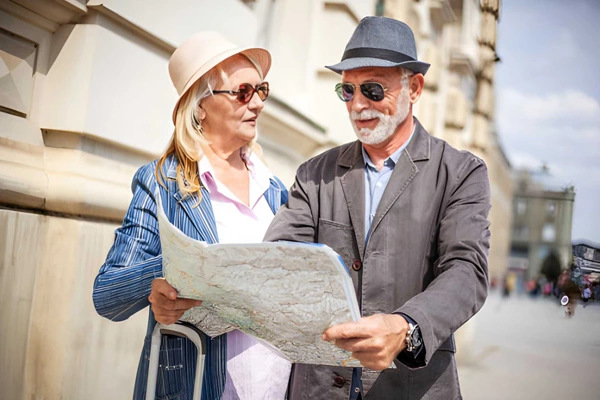
Can exploring new destinations really improve the quality of life for older adults? The answer lies in the numerous benefits that travel offers, from enhancing mental health to fostering connections with others. It can be a wonderful way to engage with life and meet new people.
According to Dorothea Vafiadis, Senior Director of Health at the NCOA’s Center for Healthy Aging, going to new places and meeting up with family and old and new friends is really vital for our mental health. This comprehensive guide is designed to provide essential travel tips specifically for seniors who wish to explore the world safely and comfortably.
This guide will cover everything from health benefits to practical planning strategies, including health consultations, insurance considerations, and more, to ensure a smooth and enjoyable trip.
Travel allows seniors to create lasting memories and engage in enriching experiences that promote a sense of adventure.
Table of Contents
Why Travel is Beneficial for Seniors
As people age, traveling can be a key factor in maintaining a youthful spirit and overall well-being. It offers numerous benefits for seniors, enhancing their quality of life in various ways. Exploring new destinations can be a transformative experience, providing opportunities for personal growth and development.
Mental Health Benefits
Travel has a profound impact on mental health, offering cognitive stimulation through exposure to new environments and cultures. This can help combat isolation and loneliness, common issues among seniors. Meaningful connections with people from diverse backgrounds can be formed, contributing to improved mood and reduced stress levels.
Physical Health Advantages
Visiting new places also offers physical health benefits, including increased mobility and strength through walking tours and exploration. Regular physical activity can help maintain cardiovascular health, reducing the risk of chronic diseases.
Age matters only if you’re a cheese is a mantra adopted by many senior adventurers who understand the rejuvenating effects of travel.
By incorporating travel into their lifestyle, seniors can experience these benefits firsthand, leading to a more fulfilling and healthy life.
Planning Your Trip: Essential Travel Tips for Senior Citizens
As senior citizens embark on their travel journey, planning becomes a crucial aspect to ensure a smooth and enjoyable experience. Effective planning involves several key considerations to make the most out of the trip.
When planning your future travel adventures, remember that flexibility and preparation are key to enjoyable experiences.
Choosing the Best Time to Travel
When planning your trip, consider traveling during shoulder seasons (spring and fall) to avoid extreme weather conditions, large crowds, and higher prices. For instance, traveling in April or October can be ideal as it allows you to enjoy mild weather and lower prices.
Researching Destinations with Health in Mind
It’s essential to research potential destinations with health considerations in mind, including accessibility features, available medical facilities, and any region-specific health risks or concerns. The CDC’s Destinations page is an excellent resource for country-specific health information.
Creating a Flexible Itinerary
Travel tips for senior citizens suggest creating a flexible plan that allows for rest days between active sightseeing days. This gives you permission to adjust plans based on energy levels and unexpected circumstances, ensuring a more enjoyable travel experience.
By considering the time of travel and prioritizing health, senior citizens can have a well-rounded and enjoyable travel experience.
Health Preparations Before Departure
A successful trip starts with proper health preparations, which can significantly impact your overall travel experience. As a senior citizen, it’s essential to take extra precautions to ensure your health and safety while traveling.

Consulting with Your Doctor
Schedule a consultation with your doctor at least 4-6 weeks before your trip to discuss your travel plans and any health concerns specific to your destination. This visit is an opportunity to review your current medications and obtain necessary prescriptions with sufficient supplies for the entire trip.
Vaccination Requirements
Ask your physician about required or recommended vaccinations for your destination. Some vaccines require multiple doses spread over several weeks, so it’s crucial to plan ahead to ensure you’re protected against potential health risks.
Managing Chronic Conditions While Traveling
If you have chronic health conditions, work with your doctor to create a management plan for your trip. This plan should include strategies for handling potential flare-ups or complications, as well as obtaining a letter from your doctor describing your medical conditions, medications, and any medical devices you use.
| Pre-Trip Preparation | Action Required | Timeline |
| Consult with Doctor | Discuss travel plans and health concerns | 4-6 weeks before trip |
| Vaccinations | Obtain required or recommended vaccinations | 4-6 weeks before trip |
| Chronic Condition Management | Create a management plan for the trip | Before trip |
Insurance and Documentation Essentials
Senior travelers must prioritize insurance and documentation to ensure a stress-free journey. Understanding the nuances of travel insurance and having the right documents can make a significant difference in case of an emergency.
Travel Insurance Options for Seniors
Seniors pay more for travel insurance but are also more likely to need it. It’s crucial to research and purchase comprehensive travel insurance that includes coverage for pre-existing conditions, trip cancellation/interruption, and emergency medical expenses.
Medical Evacuation Coverage
Consider medical evacuation coverage, which can be lifesaving if you need to be transported to a facility with adequate medical care. These costs can exceed $100,000 without insurance.
Important Documents to Carry
Prepare a complete documentation package including copies of your passport, insurance cards, prescriptions, medical history, and emergency contact information. Keep one copy with you and leave another with a trusted person at home. Create a detailed list of all medications and medical conditions translated into the language of your destination country if traveling internationally.
Packing Smart for Comfort and Convenience
Senior travelers can significantly benefit from adopting smart packing practices that cater to their needs. Effective packing can make a significant difference in the comfort and enjoyment of their travels.
Medication Management
Managing medications is a critical aspect of packing for senior travelers. It’s essential to pack medications in their original labeled containers and bring enough for the entire trip, plus a few extra days in case of unexpected delays. Keeping medications in carry-on luggage ensures they remain accessible throughout the journey.
Packing Light Strategies
Adopting packing light strategies can greatly enhance the travel experience. Choosing versatile clothing items that can be layered, planning to do laundry during longer trips, and selecting wrinkle-resistant fabrics are effective ways to lighten the load. Using a roll-aboard luggage or a carry-on that converts to a backpack can also make a big difference.

Essential Items for Senior Travelers
Senior travelers should make sure to pack essential comfort items such as compression socks, a travel pillow, and necessary mobility aids. It’s also a good idea to bring a small first aid kit with basic supplies. Packing these things can greatly enhance comfort and convenience during travel.
| Item | Description | Benefit |
| Compression Socks | For long flights | Prevents blood clots |
| Travel Pillow | For comfort during travel | Enhances rest |
| First Aid Kit | Basic medical supplies | Provides peace of mind |
Transportation Tips and Accessibility
Accessibility is a crucial aspect of travel for seniors, starting with transportation. Ensuring that you have a smooth and stress-free journey involves planning ahead, especially when it comes to air travel and ground transportation.
Air Travel Considerations
When booking flights, consider requesting special assistance services from the airline, including wheelchair service or early boarding privileges. Choosing direct flights can minimize the stress of connections. If you can’t avoid connecting flights, ensure you have sufficient layover time, at least 90 minutes.
For air travel, selecting an aisle seat on the plane can provide easier access to restrooms and allow you to stand and stretch periodically, reducing the risk of blood clots. If you’re not flying direct, consider checking your bag to avoid lugging it through a busy airport, but keep medications and important items in a carry-on.
Ground Transportation Options
Researching ground transportation options at your destination before arrival is crucial. Focus on services that cater to seniors with mobility concerns. Consider using taxis or ride-sharing services, especially if you have mobility issues or are traveling with significant luggage.
Requesting Special Assistance
If you’re a slow walker, request a wheelchair or an electric cart when booking your seat to make connecting flights easier. When renting a car abroad, be aware that some countries and rental companies have upper age limits, so mention your age when making reservations.
Choosing Senior-Friendly Accommodations
The right accommodation can make a significant difference in a senior’s travel experience. When you’re traveling, it’s essential to choose a hotel that meets your needs, ensuring a comfortable and enjoyable stay.
Accessibility Features to Look For
When selecting a hotel, prioritize those with essential accessibility features. Look for hotels with elevators, grab bars in bathrooms, and walk-in showers. It’s also beneficial to have a room near the elevator to minimize walking distances. Contact the hotel directly to inquire about these features and request accommodations that meet your specific needs.
Location Considerations
The location of your hotel is also crucial. Opt for a centrally located property near attractions, restaurants, and medical facilities to reduce transportation challenges. Evaluate the surrounding neighborhood for walkability, considering factors like sidewalks, pedestrian crossings, and terrain to ensure it’s manageable for seniors.
Alternative Accommodation Options
Besides traditional hotels, consider alternative accommodation options such as vacation rentals or cruise ships. These options may offer more space and home-like amenities or comprehensive services and organized excursions. If you’re traveling with a tour company, communicate your accommodation needs in advance to ensure they meet your requirements.
Staying Healthy During Your Trip
To ensure an enjoyable trip, senior travelers should prioritize their health and well-being. Traveling, especially for extended periods, can pose health risks, particularly for older adults.
Preventing Blood Clots and Mobility Issues
Deep-vein thrombosis (DVT) is a risk for seniors during long trips. To reduce this risk, consider wearing compression stockings and taking regular breaks to stand, stretch, and walk around every 1-2 hours. This is particularly important on planes and in cars.
Maintaining Medication Schedules Across Time Zones
For seniors managing chronic conditions, maintaining medication schedules is crucial. Consult with your doctor about adjusting your medication timing when crossing time zones. Some medications require specific intervals, while others are more flexible.
Hydration and Nutrition Tips
Staying hydrated and maintaining balanced nutrition are vital during travel. Drink water regularly, especially during flights, and limit alcohol and caffeine consumption. Plan meals ahead, carry healthy snacks, and be mindful of food safety.
| Health Tip | Benefit |
| Wear Compression Stockings | Reduces risk of blood clots |
| Stay Hydrated | Maintains overall health and comfort |
| Plan Healthy Meals | Supports balanced nutrition |
Making the Most of Senior Travel Benefits
Traveling as a senior can be incredibly rewarding when you know how to tap into available discounts. To maximize your travel benefits, it’s crucial to be aware of the various discounts and services available. Senior travelers can take advantage of reduced rates on museums, attractions, transportation services, and hotels by simply asking about special rates, even if they’re not advertised.
Researching country-specific senior discount cards and passes before your trip can also lead to significant savings. For instance, rail passes in Europe offer discounts for travelers over 60. Timing your travel during off-peak seasons can result in lower prices and a more enjoyable experience due to fewer crowds.
Additionally, joining senior travel groups or organizations can provide both social connections and cost savings. By being mindful of these opportunities and planning accordingly, seniors can have a more fulfilling and budget-friendly travel experience.
You Might Also Enjoy: Discover How to Travel on a Low Budget: Tips