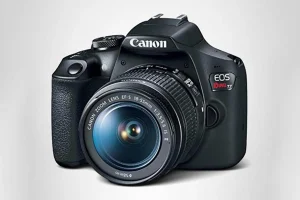
The world of photography is more accessible than ever, with millions of people taking up cameras every year. In 2026, the photography landscape is expected to grow significantly, with new technology making it easier for beginners to capture high-quality images and find an affordable camera that suits their needs.
Choosing the right camera is crucial for beginners, as it can make learning easier and more enjoyable. With so many options available, navigating the market can be overwhelming. This comprehensive guide is designed to help you find the perfect affordable camera that balances features and price, ensuring you get the best value for your money.
Our top picks are selected based on image quality, ease of use, and value for money. Whether you’re interested in landscape, portrait, or street photography, this guide considers various photography interests and skill development paths to help you find your ideal camera match.
Table of Contents
Understanding Camera Types for Beginners
As a beginner, selecting the perfect camera involves understanding the key differences between camera types. The camera market is filled with various models, making it essential to know what to look for when making your first purchase.
The best camera is the one that you will use the most, says a well-known photography adage. For beginners, the choice often boils down to DSLR (Digital Single-Lens Reflex) or mirrorless cameras. Both have their advantages and disadvantages.
Additionally, understanding the benefits and features of an affordable camera can greatly enhance your photographic journey.
Mirrorless vs. DSLR: Which is Better for Beginners?
Mirrorless cameras are becoming the industry standard due to their compact size and advanced features. They use an electronic viewfinder or LCD screen to preview the image, unlike DSLRs, which use a mirror and prism system. This difference significantly affects the camera’s size, weight, and functionality.
For instance, the Nikon D3500, a popular DSLR, has been succeeded by mirrorless models that offer improved APS-C sensor technology and longer battery life. The transition from DSLR to mirrorless cameras is driven by advancements in technology, making mirrorless cameras more appealing to new photographers.
- Mirrorless cameras are generally smaller and lighter.
- DSLRs often have longer battery life due to their optical viewfinder.
- Mirrorless cameras provide a real-time preview and adjustments.
Full-Frame vs. APS-C vs. Micro Four Thirds
The sensor size is another critical factor when choosing a camera. Full-Frame, APS-C, and Micro Four Thirds are the most common sensor sizes. Each has its impact on image quality, depth of field, and camera size.
Full-Frame sensors offer superior image quality and better low-light performance, but are typically found in more expensive cameras. APS-C sensors strike a balance between image quality and camera size, making them a popular choice for beginners. Micro Four Thirds cameras are known for their compactness and are ideal for travel photography.
Understanding these differences is crucial for making an informed decision. As Photography is all about capturing moments, choosing the right camera system can enhance your photography experience.
Key Features to Look for in a Beginner Camera
As a beginner, choosing a camera that meets your needs involves considering several critical features. The right camera can significantly enhance your learning experience and help you produce high-quality images. In this section, we’ll explore the essential features that you should prioritize when selecting your first camera.
Image Quality and Sensor Size
Image quality is a paramount consideration for any photographer, especially beginners. The sensor size plays a crucial role in determining the overall image quality. A larger sensor generally allows for better performance in low-light conditions and provides a shallower depth of field, making your subject stand out from the background.
There are several sensor sizes available in the market, including Full Frame, APS-C, and Micro Four Thirds. While full-frame sensors offer superior image quality, they are typically found in more expensive cameras. For beginners, APS-C or Micro Four Thirds sensors are often a good compromise between quality and cost.
| Sensor Size | Typical Use | Image Quality | Cost |
| Full Frame | Professional, High-End Photography | Excellent | High |
| APS-C | Beginner to Advanced Photography | Very Good | Moderate |
| Micro Four Thirds | Beginner, Travel, and Everyday Photography | Good | Moderate to Low |
Autofocus Performance
Autofocus performance is another critical feature, especially for beginners who are still developing their technical skills. A fast and reliable autofocus system helps ensure that your images are sharp and well-focused, even when capturing moving subjects.
Modern cameras often come equipped with advanced autofocus systems, including phase-detection and contrast-detection technologies. When choosing a camera, look for one with a robust autofocus system that can handle various lighting conditions.
Low Light Capabilities
The ability to shoot in low light is essential for many photography scenarios, from indoor events to nighttime landscapes. Cameras with good low-light performance allow you to capture images in a variety of lighting conditions without always relying on additional equipment like external flashes.
Sensor size, as mentioned earlier, plays a significant role in low-light performance. Additionally, cameras with high ISO ranges and effective noise reduction algorithms can significantly improve your ability to shoot in low light.
When selecting a camera, consider the features that align with your photography interests and learning goals. Prioritizing image quality, autofocus performance, and low-light capabilities will help you find a camera that meets your needs as a beginner.
Budget Considerations: How Much Should You Spend?
For beginners, determining how much to spend on a camera can be challenging. The cost of cameras varies widely, depending on factors like brand, model, and features. Understanding your budget is crucial in making an informed decision.
New vs. Used Camera Equipment
One of the first decisions you’ll need to make is whether to buy new or used camera equipment. Buying used can be a cost-effective option, offering significant savings. A slightly older model targeted at professionals can last longer than a new model marketed to beginners. According to photography experts, purchasing used gear from reputable sources like KEH or MPB can provide peace of mind, albeit at a slightly higher cost than buying from online marketplaces like eBay.
I’ve bought a lot of camera gear off eBay and other sites over the last ten-plus years and had very few issues, says a seasoned photographer. This highlights the potential for finding reliable used camera equipment at a lower price.
Here are some key points to consider when deciding between new and used cameras:
- Reliable sources for used camera equipment include specialty camera stores and online marketplaces that offer warranties.
- Used cameras can provide better value for money, as they often feature advanced specifications at a lower price point.
- When buying used, inspect the equipment carefully and check for any signs of wear or damage.
Long-Term Value and Future-Proofing
Another important consideration is the value of your camera over time. Spending a bit more initially on a higher-quality camera or lenses can save money in the long run by delaying the need for upgrades. This concept is known as “future-proofing” your photography equipment.
| Advanced cameras with high-end features are ideal for serious photography enthusiasts. | Features and Quality |
| $500-$800 | Entry-level cameras with basic features, suitable for casual photography. |
| $800-$1,200 | Mid-range cameras with improved autofocus and better image quality. |
| $1,200+ | Advanced cameras with high-end features, ideal for serious photography enthusiasts. |
When allocating your budget, consider not just the camera body, but also lenses and essential accessories. A well-planned photography setup can enhance your overall experience and provide better value over time.
By carefully considering your options and understanding the long-term value of different camera models, you can make an informed decision that meets your photography needs and fits within your budget.
Best Affordable Camera for Beginners: Our Top Pick
When it comes to affordable cameras for beginners, the Sony A7II is our top recommendation. This full-frame mirrorless camera offers exceptional value when purchased used, making it an ideal choice for those on a budget.
Sony A7II: The Best Overall Value
The Sony A7II is a standout in the world of beginner cameras due to its impressive feature set and outstanding image quality. With a 24.2-megapixel full-frame sensor, this camera delivers excellent low-light performance and a wide dynamic range, far exceeding what most entry-level cameras can achieve.
One of the key advantages of the Sony A7II is its intuitive menu system and customizable controls, making it easy for beginners to navigate and adjust settings to suit their needs. Additionally, the camera’s autofocus capabilities perform well in various shooting scenarios, from portraits to landscapes.
Why This Camera Stands Out for Beginners
The Sony A7II’s full-frame sensor is a significant factor in its ability to deliver outstanding image quality. This, combined with its mirrorless design, makes it a versatile tool for beginners looking to explore different genres of photography.
While the Sony A7II has many strengths, one area where it falls short is battery life. To mitigate this, beginners can invest in extra batteries and adopt power-saving techniques to extend their shooting time.
A complete Sony A7II kit, including a recommended lens such as the Sony 28-60 zoom lens or a Sony 28mm f/2 prime lens, and essential accessories like extra batteries and a camera bag, can be assembled within a budget of $700-850 when purchasing used. This represents an excellent value for beginners looking to start their photography journey.
Best Entry-Level Mirrorless Cameras Under $800
In the realm of entry-level mirrorless cameras, there are a few standout models that offer great value for those on a budget of $800 or less. These cameras are perfect for beginners looking to upgrade from smartphone photography to a more advanced system with interchangeable lenses.
Canon EOS R100

The Canon EOS R100 is currently the cheapest mirrorless camera available new in the market. While it lacks advanced features and has a basic build, it provides a sensible entry point into Canon’s mirrorless ecosystem. Its strengths lie in its image quality and autofocus performance, making it a viable option for beginners.
Sony a6600
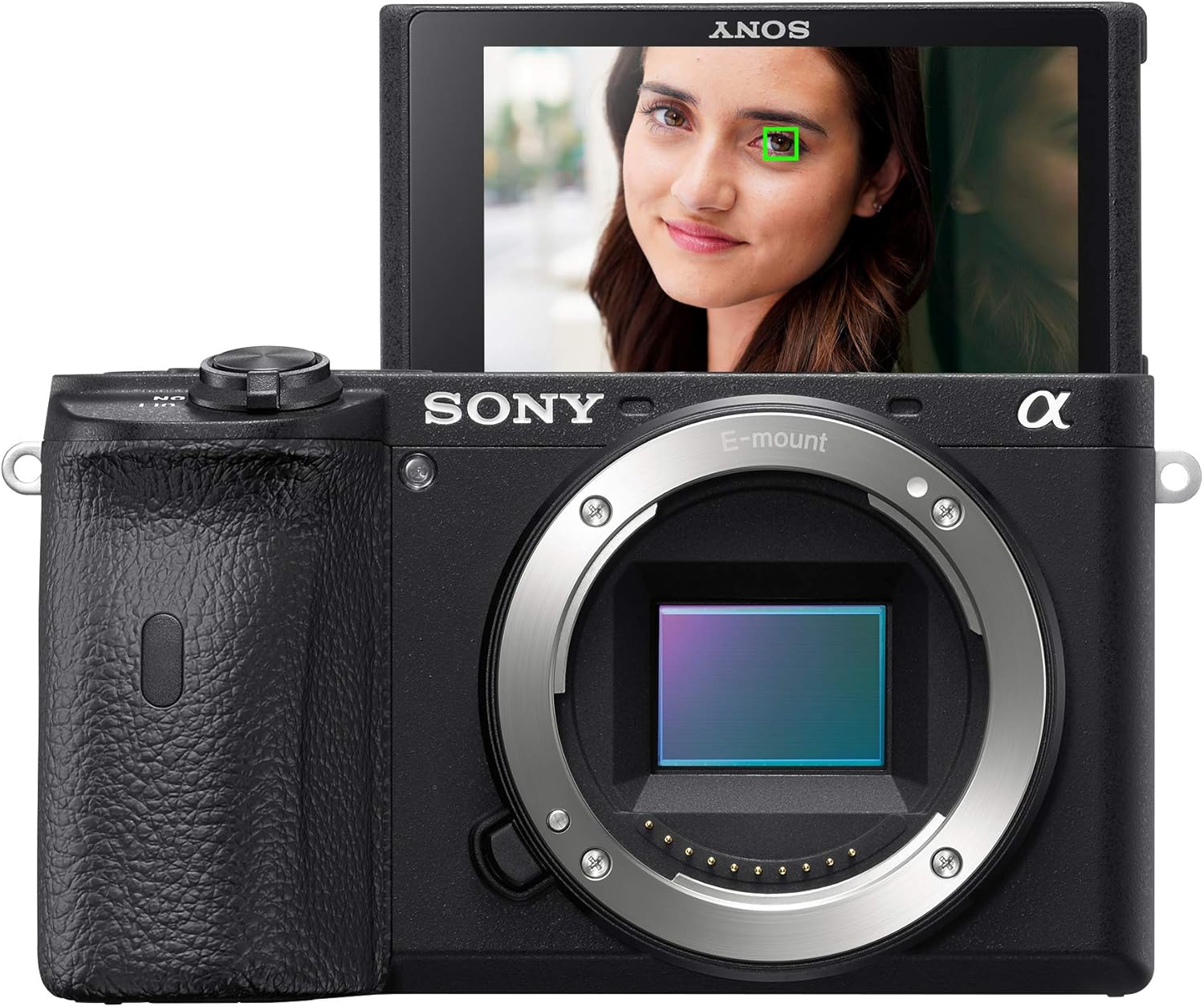
The Sony a6600 is a compact APS-C mirrorless camera that stands out for its excellent autofocus system, image quality, and impressive battery life. It’s available for around $800 used, making it an attractive option for those looking for a capable camera without breaking the bank.
When comparing these two models, it’s essential to consider factors such as ease of use, menu systems, and lens compatibility. The Canon EOS R100 is a more budget-friendly option that still offers good performance, while the Sony a6600 provides a more comprehensive feature set and better overall performance.
For beginners, the choice between these cameras will depend on their specific needs and preferences. If you’re already invested in the Canon ecosystem or prefer a more affordable entry point, the EOS R100 is a good choice. However, if you’re looking for a camera with more advanced features and don’t mind purchasing used, the Sony a6600 is an excellent option.
In terms of lens options, both cameras have a range of compatible lenses available. For the Canon EOS R100, the kit lens or a prime lens like the Canon RF 50mm f/1.8 would be a good starting point. For the Sony a6600, the Sony 16mm f/2.8 or the Sony PZ 16-50mm kit lens are affordable and versatile options.
Ultimately, the best entry-level mirrorless camera under $800 will depend on your budget, preferred brand, and the type of photography you intend to do. By considering these factors and comparing the features of the Canon EOS R100 and Sony a6600, you can make an informed decision that suits your needs.
Best Budget DSLR Cameras for Beginners
Beginners can still find excellent value in DSLR cameras, which offer a compelling mix of features and affordability. Despite the industry’s shift towards mirrorless technology, DSLRs remain a great option for those new to photography.
Nikon D3500
The Nikon D3500 stands out as a user-friendly DSLR option, particularly for those who plan to use it with longer lenses. Its 24MP sensor delivers high-quality images, and its improved grip and lighter body make it easy to handle.

The D3500 is officially discontinued, but it can still be found at some retailers, and there’s a decent second-hand market. You might find a great deal from retailers like KEH in the US or MBP in the UK.
Canon EOS Rebel T7
The Canon EOS Rebel T7, also known as the EOS 2000D, is Canon’s entry-level DSLR offering. It provides excellent image quality, is easy to use, and is compatible with Canon’s vast lens ecosystem.

One of the significant advantages of choosing a DSLR like the Nikon D3500 or Canon EOS Rebel T7 is their compatibility with a wide range of lenses. This compatibility, combined with the extensive used market for DSLR lenses, means beginners can expand their kit without breaking the bank.
Navigating the used DSLR market can be beneficial for beginners. Tips for finding great deals include looking for discontinued models like the D3500 and considering reputable second-hand retailers.
DSLRs also offer a more traditional approach to photography, which can be beneficial for mastering fundamentals. The hands-on experience with manual controls can help beginners understand the basics of photography better.
Best Full-Frame Cameras on a Budget
The world of full-frame photography is now more accessible to beginners on a budget. With the emergence of affordable options, photographers can enjoy superior image quality without the hefty price tag associated with professional-grade equipment.
Canon EOS RP: A Compact Full-Frame Option

The Canon EOS RP is a compelling choice for those looking to dive into full-frame photography. This mirrorless camera boasts a 26.2MP full-frame sensor, delivering excellent image quality. Despite its compact size, the EOS RP is well-made and features a responsive touchscreen interface.
With Canon’s Digic 8 processor, the EOS RP offers fast and reliable autofocus performance. Although it has some limitations, such as a lack of sensor-based image stabilization and underwhelming battery life, the EOS RP remains a strong contender in the budget full-frame category.
Used Sony A7III: A High-Value Alternative

The used Sony A7III represents an exceptional value on the secondhand market. Originally a flagship model, this camera now offers high-performance capabilities at a lower price point. Featuring a 24.2MP full-frame sensor, the A7III delivers impressive image quality and fast autofocus.
While purchasing used equipment requires careful consideration, the Sony A7III is a reliable choice. It offers a robust feature set, including good low-light performance and a durable build, making it an attractive option for beginners looking to invest in a full-frame camera.
Benefits of Full-Frame Sensors for Beginners
Full-frame sensors provide several tangible benefits, including superior low-light performance, greater dynamic range, and more control over depth of field. These advantages make full-frame cameras particularly appealing to photographers seeking to enhance their craft.
Lens Considerations for Budget Full-Frame Systems
Building a lens collection for a full-frame camera can be challenging on a budget. However, options like the Canon EOS RP, which allows the use of EF lenses with an adapter, can help mitigate this issue. Beginners should consider the availability and cost of lenses when choosing a full-frame system.
When comparing budget full-frame cameras to premium APS-C alternatives, the decision ultimately depends on the photographer’s specific needs and interests. For those prioritizing image quality and willing to invest in a larger sensor, full-frame cameras like the Canon EOS RP or used Sony A7III are worth considering.
Best Compact Cameras for Travel and Everyday Use
The best compact cameras for travel and everyday use provide an excellent balance between size, functionality, and image quality. These cameras are designed to be portable, making them perfect for capturing moments on the go without the bulk of larger DSLR or mirrorless systems.
Olympus OM-D E-M10 Mark IV

The Olympus OM-D E-M10 Mark IV is a standout Micro Four Thirds camera that offers impressive in-body image stabilization and a 20.3MP sensor. Its compact form factor, ergonomic grip, and intuitive button layout make it an excellent choice for both beginners and experienced photographers. The camera’s ability to deliver high-quality images, even in challenging lighting conditions, is a significant advantage.
One of the key features of the Olympus OM-D E-M10 Mark IV is its in-body image stabilization (IBIS), which helps to reduce camera shake and blur, resulting in sharper images. Additionally, the camera’s flip-down touchscreen provides flexibility for shooting from different angles, making it ideal for capturing unique perspectives.
Fujifilm X-T30 II

The Fujifilm X-T30 II is a premium compact camera that boasts exceptional image quality, film simulation modes, and intuitive dial-based controls. This camera is designed for both beginners and enthusiasts who value the creative control and versatility that Fujifilm’s X-series cameras offer.
The Fujifilm X-T30 II features a 26.1MP APS-C sensor, providing excellent image quality with good low-light performance. The camera’s film simulation modes allow photographers to achieve a variety of looks without the need for post-processing, adding to its appeal for those who want to produce high-quality images straight out of the camera.
When comparing these compact cameras to smartphone photography, it’s clear that they offer significant advantages in terms of image quality, creative control, and versatility. The extensive lens ecosystems available for these systems enable photographers to expand their creative capabilities without adding excessive bulk to their kit.
Practical tips for using these compact cameras for travel photography include maximizing battery life, protecting equipment, and capturing memorable images in challenging conditions. These cameras can serve as either primary cameras or secondary bodies for photographers who also own larger systems but need something more portable for certain situations.
Best Cameras for Content Creators and Vloggers
The best cameras for content creators and vloggers offer a combination of excellent video quality, autofocus, and ease of use. These cameras are designed to meet the specific needs of vloggers and content creators, providing features that enhance video production.
Sony ZV-E10

The Sony ZV-E10 is a purpose-built vlogging camera that excels in autofocus performance and video quality. Its background defocus button and product showcase mode make it ideal for creating engaging video content. The camera’s flip screen and improved microphone input enhance its vlogging capabilities.
DJI Osmo Pocket 3

The DJI Osmo Pocket 3 is an innovative option for mobile content creators, offering integrated gimbal stabilization and a compact form factor. Its 1-inch sensor delivers impressive video quality, particularly in low-light conditions. The added portrait mode allows for more creative flexibility.
When choosing a camera for vlogging and content creation, it’s essential to consider features such as flip screens, microphone inputs, and video-specific autofocus capabilities. These features significantly impact the quality and professionalism of your video content.
Audio considerations are also crucial for vlogging cameras. Built-in microphone quality and external microphone options can greatly affect the overall production value of your video content. Building a complete vlogging kit around these camera bodies, including recommended accessories, can enhance video quality without breaking the bank.
Both the Sony ZV-E10 and DJI Osmo Pocket 3 serve as versatile tools for beginners who want to explore both photography and videography without purchasing separate equipment. Their ability to deliver high-quality video and still images makes them valuable assets for content creators.
Cameras with the Best Image Quality Under $1000
For photographers seeking exceptional image quality without breaking the bank, several camera options stand out in 2026. When it comes to capturing stunning images, the camera’s sensor, color science, and detail reproduction capabilities are crucial.
Exceptional Image Quality with the Fujifilm X-T3
The Fujifilm X-T3 is a standout option for those seeking high image quality on a budget. Its X-Trans sensor is renowned for its ability to capture intricate details and reproduce colors accurately. Additionally, the camera’s film simulation modes allow photographers to achieve a variety of aesthetic effects without post-processing.
One of the key advantages of the Fujifilm X-T3 is its impressive dynamic range, which enables photographers to capture both bright highlights and dark shadows in a single exposure. Although it’s an older model, its image quality remains competitive, and it’s available at a reduced price.

High-Resolution Options with the Used Sony A7R II
For those willing to consider used camera equipment, the Sony A7R II offers exceptional value with its 42MP full-frame sensor. This camera was once a premium offering, but can now be found below the $1000 threshold on the used market.
The Sony A7R II’s high-resolution sensor is capable of capturing exquisite detail, making it an excellent choice for landscape, portrait, and fine-art photographers. Its full-frame sensor also provides excellent low-light performance, further enhancing its versatility.

Lens Considerations for Maximizing Image Quality
To get the most out of these cameras, pairing them with the right lenses is essential. For the Fujifilm X-T3, the Fujinon 23mm f/1.4 lens is an excellent choice, offering sharpness and high-quality bokeh. Although it may put the total cost slightly over budget, it’s a worthwhile investment for serious photographers.
When choosing lenses, consider prime lenses for their optical quality and simplicity. They often provide better image quality than zoom lenses and can be more affordable.
Shooting Techniques for Optimal Image Quality
To extract the maximum image quality from these cameras, photographers should master basic techniques such as using the optimal ISO range, processing RAW images, and employing proper exposure techniques. Understanding these fundamentals can significantly enhance the quality of the images produced.
By combining a capable camera body with the right lens and shooting techniques, beginners can achieve professional-level results. This makes cameras like the Fujifilm X-T3 and the Sony A7R II excellent long-term investments for those serious about developing their photography skills.
Cameras to Avoid in 2026
Not all budget cameras are created equal; some entry-level models may seem like a bargain but can lead to frustration down the line. When shopping for a camera, it’s not just about the price tag; it’s about finding a model that meets your needs now and in the future.
Entry-Level Models with Limited Features
Some cameras, despite being marketed as beginner-friendly, lack the features and performance needed for a satisfying photography experience. For instance, the Canon EOS R50 (base model) may appear to be a good deal, but its autofocus system struggles in low light and when tracking moving subjects. Additionally, you’ll quickly hit limits with frame rate, control customization, and video features.
The Canon R100 is another model that looks appealing at first glance but has a limited feature set. It lacks Dual Pixel AF in video, doesn’t have a touch screen, and its sensor and processor are outdated. Beginners will outgrow this camera quickly, and the lack of advanced controls hampers creativity from the start.
| Camera Model | Key Limitations | Recommendation |
| Canon EOS R50 (base model) | Limited autofocus performance, restricted video features | Avoid; consider Canon R50 V or Canon EOS R10 instead |
| Canon R100 | No Dual Pixel AF in video, outdated sensor and processor | Not recommended; lacks essential features for growth |
Outdated Technology to Skip
Cameras with outdated technology are often sold at reduced prices, making them seem like a bargain. However, they represent a false economy. These models may not support the latest technology or features that are now standard in newer cameras. For example, older models might not have the necessary video capabilities or shooting modes that are essential for modern photography.
When evaluating budget cameras, watch out for red flags such as limited autofocus capabilities, poor low-light performance, and restricted video features. It’s also crucial to consider the upgrade path and whether the camera system is still supported by the manufacturer.
To make an informed decision, it’s essential to look beyond the price and consider the camera’s overall package, including its features, performance, and potential for future upgrades.
Understanding Camera Lenses for Beginners
The world of camera lenses can be overwhelming, but knowing the basics can significantly improve your photography skills. To get the most out of your camera, you’ll need to understand the different types of lenses available and how they can enhance your photography experience.
Kit Lenses vs. Prime Lenses
When starting out, you’re often provided with a kit lens, which is a versatile zoom lens designed to cover a range of focal lengths. However, prime lenses, which have a fixed focal length, offer superior image quality and are often preferred by professionals for their simplicity and optical excellence.
Kit Lenses: These are convenient and cover a variety of focal lengths, making them suitable for beginners who are still exploring their photography preferences. A good example is the Sony 28-60mm f/4-5.6 lens, which is a compact and lightweight option.
Prime Lenses: Prime lenses, such as the 28mm f/2 lens, are praised for their sharpness and low-light performance. They encourage photographers to zoom with their feet, improving composition skills.
| Lens Type | Focal Length | Aperture | Image Quality |
| Kit Lens | Variable (e.g., 28-60mm) | Variable (e.g., f/4-5.6) | Good |
| Prime Lens | Fixed (e.g., 28mm) | Wide (e.g., f/2) | Excellent |
Recommended First Lenses
For those new to photography, a fast prime lens like the 28mm f/2 is an excellent starting point. It’s affordable, with used models available for just over $200, and it provides excellent low-light performance. Alternatively, a zoom lens like the Sony 28-60mm f/4-5.6 offers versatility and is a great all-around option.
- Consider your photography goals: If you prefer landscapes or street photography, a wide-angle lens might be best.
- Think about your budget: Prime lenses can be more affordable than high-end zoom lenses.
- Assess your camera system: Ensure the lens you choose is compatible with your camera body.
By understanding the basics of camera lenses and choosing the right lens for your needs, you can significantly enhance your photography experience and improve the quality of your images.
Essential Accessories for Your New Camera
Investing in the right accessories can significantly improve the functionality of your beginner camera. When you purchase a new camera, you typically spend around $700-850 on the body alone, leaving some budget for essential accessories that can enhance your photography experience.
Memory Cards and Extra Batteries
Two of the most critical accessories for any camera are memory cards and extra batteries. For memory cards, it’s crucial to choose cards that match your camera’s specifications. Look for cards with the right speed and capacity to ensure they can handle your camera’s requirements, especially if you plan on shooting video or high-resolution images.
When it comes to batteries, mirrorless cameras tend to consume more power due to their electronic viewfinders and continuous autofocus. Therefore, having an extra battery on hand can be a lifesaver, especially during extended shooting sessions or when traveling.
- Choose memory cards with sufficient capacity (at least 64GB) and appropriate speed (such as U3 or V30) for your camera model.
- Consider purchasing extra batteries to ensure you have enough power for extended shooting sessions.
Tripods and Camera Bags
A tripod is another essential accessory that can significantly improve your photography experience. It provides stability, allowing for sharper images, especially in low-light conditions or when using slower shutter speeds. When selecting a tripod, consider its weight, stability, and cost.
A good camera bag or case is also vital for protecting your equipment. Look for a bag that offers comfortable carrying options, adequate padding, and easy access to your camera and lenses. This will make it easier to transport your gear while keeping it protected.
- Select a tripod that balances stability with portability, considering materials like carbon fiber for lighter weight.
- Invest in a camera bag that provides protection, comfort, and easy access to your gear.
Other often-overlooked accessories that can improve your shooting experience include lens cleaning kits, screen protectors, and comfortable camera straps. Prioritizing these accessory purchases can help maximize your budget and enhance your overall photography experience.
How to Get the Most Out of Your Beginner Camera
Unlocking the potential of your camera requires a blend of technical knowledge and creative vision. As a beginner, understanding the capabilities and limitations of your camera is the first step towards capturing stunning images.
Basic Photography Settings to Master
To improve your photography skills, it’s essential to grasp the fundamental settings that control image quality. These include aperture, shutter speed, and ISO sensitivity. Aperture controls the amount of light entering the lens, shutter speed determines the duration of the exposure, and ISO sensitivity affects the camera’s ability to capture images in various lighting conditions.
Understanding these settings and how they interact is crucial. For instance, a lower aperture (e.g., f/2.8) can create a shallow depth of field, blurring the background and emphasizing the subject. Conversely, a higher aperture (e.g., f/16) keeps more of the image in focus.
Shooting Modes Explained
Your camera offers various shooting modes, each designed for specific situations. The main modes include:
- Auto Mode: Ideal for beginners, as it allows the camera to make most decisions.
- Program Mode: Offers more control than Auto but still makes some decisions for you.
- Aperture Priority Mode: Allows you to set the aperture while the camera adjusts the shutter speed.
- Shutter Priority Mode: Enables you to control the shutter speed while the camera adjusts the aperture.
- Manual Mode: Provides complete control over all settings, ideal for advanced users or specific creative effects.
Resources for Learning Photography
Improving your photography skills requires practice and learning. Fortunately, numerous resources are available to help you on your journey. These include:
- Online Courses: Websites like Udemy, Coursera, and Skillshare offer comprehensive courses on photography.
- YouTube Channels: Channels such as Tony Northrup, Peter McKinnon, and Mango Street Lab provide valuable tutorials and tips.
- Photography Communities: Joining online forums like Reddit’s r/photography or local photography clubs can connect you with other photographers, offering opportunities for feedback and growth.
- Books: There are many excellent books on photography techniques, composition, and post-processing that can deepen your understanding.
By mastering the basic photography settings, understanding shooting modes, and leveraging available resources, you can significantly enhance your photography skills. Remember, practice is key, so keep experimenting and learning from your experiences.
Comparing Top Brands for Beginners
The camera market is filled with options, but certain brands stand out for their quality, features, and support for beginners. When choosing a camera, understanding the ecosystem you’re entering is just as important as the initial camera body.
Sony vs. Canon vs. Nikon
The big three in the camera world are Sony, Canon, and Nikon. Each has its strengths and weaknesses, catering to different types of photographers.
- Sony is known for its mirrorless technology and advanced autofocus capabilities, making it a favorite among those who value speed and accuracy.
- Canon offers a wide range of DSLR and mirrorless cameras, with a strong lineup of lenses and accessories, appealing to those invested in the Canon ecosystem.
- Nikon is renowned for its DSLR cameras and extensive lens range, providing high-quality images and robust build quality, attracting professionals and hobbyists alike.
When deciding among these brands, consider what features are most important to you. For instance, if you’re interested in video production, Sony’s advanced autofocus and stabilization might be a deciding factor.
Fujifilm vs. Olympus vs. Panasonic
Beyond the big three, brands like Fujifilm, Olympus, and Panasonic offer unique approaches to camera design, each with its own set of advantages for beginners.
- Fujifilm is celebrated for its color science and film simulations, making it a great choice for those interested in photography with a nostalgic feel.
- Olympus (now part of the OM System) is known for its compact mirrorless cameras with in-body stabilization, ideal for travel and everyday photography.
- Panasonic offers a range of mirrorless cameras with advanced video capabilities and robust build, appealing to videographers and photographers seeking high-quality images.
When choosing a brand, consider not just the camera body but the entire system, including lens availability, customer support, and community resources. For example, Fujifilm’s renowned color profiles might be a significant factor if you’re interested in portrait or landscape photography.
Ultimately, the best brand for a beginner is one that aligns with their specific interests, whether that’s portraits, landscapes, street photography, or video production. Researching and comparing these aspects can help make an informed decision.
Making Your Final Decision: Which Camera is Right for You?
Making a well-informed decision about your first camera involves evaluating your priorities, interests, and long-term photography goals. As a beginner, it’s crucial to consider what you want to achieve with your camera, whether it’s capturing landscapes, portraits, or street photography.
Evaluating Your Photography Needs is a critical step. Ask yourself: What type of photography will I be doing most often? Do I need a camera that’s compact for travel, or one that’s robust for studio work? Understanding your needs will help narrow down the options.
Let’s recap the top camera recommendations across different categories. For those looking for a mirrorless camera, options like the Sony a6600 and Canon EOS R100 offer excellent image quality and features. For DSLR enthusiasts, the Nikon D3500 and Canon EOS Rebel T7 are solid choices. If you’re interested in full-frame cameras on a budget, consider the Canon EOS RP or a used Sony A7III.
Handling cameras before purchasing, when possible, can provide valuable insight into their ergonomics and feature set. Visiting a store to test cameras can help you understand how they feel and function, making your decision more informed.
Timing Your Purchase can also impact your decision. Keeping an eye on sales cycles, new model releases, and the used market can help you maximize value. Consider purchasing last year’s model when a new one is released, or looking for refurbished options.
Creating a personalized roadmap for growing your camera system is essential. Start with the essentials and expand as your skills and needs evolve. This approach ensures you’re investing wisely in your photography journey.
Finally, remember that the camera is just a tool. Developing your photography skills and vision is ultimately more important than any specific piece of equipment. With practice and patience, you’ll grow as a photographer, and your camera will be a faithful companion on your creative journey.
You Might Also Enjoy: Corporate Photography: Elevate Your Brand’s Visual Identity