
In today’s world, candid photography is a breath of fresh air. It captures real, unscripted moments. This style has become popular for telling genuine stories through images.
Catching life’s authentic moments is incredibly rewarding. Whether it’s a wedding, a family gathering, or a street scene, candid photography preserves the essence of the moment. It focuses on the unposed and natural, creating images that are both meaningful and engaging.
As we explore candid photography, we’ll share tips and techniques. We’ll cover understanding your subjects and choosing the right equipment. Our goal is to help you capture authentic moments that tell a story.
Table of Contents
What Is Candid Photography?
Candid photography captures life’s natural moments without posing. It’s about catching real moments without anyone knowing they’re being photographed. This style needs a deep understanding of people and the ability to spot important moments.

The Definition and Essence of Candid Photography
Candid photography is all about capturing real, unplanned moments. It’s about capturing life’s true moments. Key characteristics include:
- Natural expressions and behaviors
- Unposed and unscripted moments
- Authentic storytelling
This style tells real stories through images. It connects viewers on a deep level.
How Candid Photography Differs from Posed Photography
Candid photography is very different from posed photography. Posed photography involves directing subjects and planning everything. Candid photography, on the other hand, captures life as it happens. The main differences are:
- Level of preparation: Candid photography needs little to no planning, while posed photography requires a lot.
- Subject awareness: In candid photography, subjects usually don’t know they’re being photographed, leading to more natural reactions.
- Outcome: Candid photography gives us real, spontaneous moments. Posed photography can sometimes look too perfect.
Knowing these differences is key for photographers aiming to excel in candid photography.
The Power of Authentic Moments in Photography
Candid photography is all about capturing real, unposed moments. This is what makes it so emotionally powerful and good at telling stories. It focuses on real-life scenes and natural expressions, which bring out deeper stories and stronger feelings than posed photos.

Why Unposed Photos Tell Better Stories
Unposed photos are special because they tell stories in a raw, honest way. They capture the essence of a moment, letting viewers connect and understand. Unlike posed shots, candid photos aren’t scripted, making them more relatable and interesting.
The truth in these moments touches viewers deeply, making the story more powerful.
The Emotional Impact of Natural Expressions
Natural expressions in candid photos show a wide range of feelings, from happiness to sadness. These genuine expressions can make viewers feel empathy and understanding. By showing the true emotions of a subject, candid photography creates a strong bond between the viewer and the photo, making the emotional impact even greater.
Essential Equipment for Candid Photography
To excel in candid photography, knowing the essential equipment is key. The right gear can greatly improve your photo quality and authenticity.
Camera Selection: From DSLRs to Smartphones
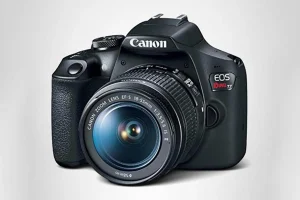
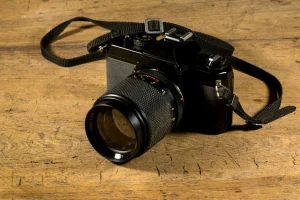
Choosing the right camera is the first step. DSLRs and mirrorless cameras offer top-notch image quality. But smartphones are getting better, offering ease and stealth. Pick a camera that’s easy to carry and quick to use.
Lens Recommendations for Natural Shots
The lens you pick greatly affects your candid shots. Prime lenses are great for their wide aperture. They create beautiful bokeh and work well in low light.
Prime Lenses vs. Zoom Lenses
Prime lenses give you the best image quality and are perfect for close moments. Zoom lenses are versatile and let you change your shot without moving.
Focal Lengths for Different Scenarios
Each focal length is best for different shots. A 35mm or 50mm lens is great for everyday candid shots. A 70mm or 85mm lens is best for portraits.
Accessories That Help Capture Spontaneous Moments
Accessories can also boost your candid photography. A silent shutter mode, extra batteries, and memory cards are very helpful. Also, a discreet camera bag lets you carry your gear without drawing attention.

Camera Settings for Successful Candid Photography
To excel in candid photography, mastering the right camera settings is crucial. Candid photography is about capturing natural, unposed moments. It requires understanding your camera’s capabilities and adjusting them intuitively.

Mastering Shutter Speed for Moving Subjects
A fast shutter speed is key to capturing moving subjects without blur. For most candid shots, a shutter speed of at least 1/500th of a second is recommended. But it depends on the subject’s speed. For example, sports or wildlife photography might need even faster speeds.
Aperture Settings for Environmental Context
The aperture setting controls the depth of field. It decides how much of the image is in focus. A wider aperture (lower f-stop number) isolates your subject from the background, creating intimacy. On the other hand, a narrower aperture (higher f-stop number) includes more environmental context, adding depth to the story.
ISO Considerations in Various Lighting Conditions
ISO settings are critical in different lighting conditions. Lower ISO settings (100-400) are best for bright, sunny days. Higher ISO settings (1600-6400) are better for low-light conditions. But be careful of noise at higher ISO settings, as it can harm image quality.
Using Silent Shooting Modes and Continuous Shooting
Silent shooting modes are great for candid photography. They let you capture moments without being noticed. Continuous shooting mode allows you to take multiple shots quickly. This increases your chances of getting the perfect shot.
By mastering these camera settings, photographers can improve their candid photography skills. They can capture authentic moments more easily and precisely.
The Art of Blending In: Becoming Invisible as a Photographer
To get real, unposed photos, photographers need to blend into the background. This is key to capturing candid women in different places.
Photographers use tricks to stay hidden. One way is to shoot silently. This helps avoid drawing attention to the camera.
Techniques to Make Subjects Forget About the Camera
There are ways to make people forget the camera is there. For example, photographers can:
- Choose a small, unnoticeable camera.
- Work fast to take photos quickly.
- Be friendly and non-threatening to relax subjects.
Henri Cartier-Bresson said, Photography is the art of observing things as they happen, without interfering with what’s going on. This shows why it’s important to blend in and observe quietly.
The camera is an instrument that teaches people how to see without a camera. -Dorothea Lange
Dressing and Positioning for Minimal Disruption
Wearing the right clothes and standing in the right spot are key. Photographers should:
| Strategy | Description |
| Dressing in attire that blends with the environment | Helps the photographer to become less noticeable. |
| Positioning at a distance or at an angle | Reduces the likelihood of being the center of attention. |
By using these methods and being careful about how they look and where they stand, photographers can take great candid shots without being in the way.

Anticipating Moments: Developing Your Photographic Instinct
Getting good at capturing real moments in candid photography is key. It’s not just about knowing how to use your camera. It’s also about understanding people and knowing when to snap a photo.
Reading Body Language and Facial Expressions
Reading body language and facial expressions is vital. People show their feelings without saying a word. For example, how someone stands can show if they’re feeling confident or nervous. Their face can show joy, sadness, or surprise.
- Watch how people interact with each other.
- Look for changes in facial expressions.
- Notice body posture and gestures.
By paying attention to these signs, photographers can catch real and meaningful moments.
Predicting Action and Emotion in Different Settings
Every place offers its own chance to capture candid shots. In a busy street, it’s about capturing the vibe and the people. At a family event, it’s about the family’s interactions.
- Know the setting you’re in.
- Think about what might happen next.
- Be ready for all kinds of emotions.
By guessing what will happen, photographers can be ready to capture real moments.
Composition Techniques for Candid Photography
Great candid photography starts with good composition. It turns simple moments into amazing photos. You need both technical skills and a knack for capturing real moments naturally.
Rule of Thirds in Spontaneous Situations
The rule of thirds is key. It divides the image into thirds both ways. This helps place important parts of the scene for better balance and interest.

Framing Natural Moments Effectively
Framing is vital. It uses parts of the scene to frame the subject. Think archways, trees, or building edges. Good framing isolates the subject and adds depth.
Using Leading Lines in Unplanned Shots
Leading lines guide the viewer’s eye to the subject. They can be roads, paths, or shorelines. In candid shots, they help focus attention on the subject.
Embracing Imperfection in Composition
Candid photography is full of surprises. Not every photo will be perfect. Embracing the unexpected can create unique and compelling images. It’s about finding beauty in the unplanned.
| Composition Technique | Description | Application in Candid Photography |
| Rule of Thirds | Dividing the image into thirds to place important elements along these lines. | Creates more balanced and engaging images in spontaneous situations. |
| Framing | Using natural or man-made features to frame the subject. | Helps isolate the subject and adds depth to the image. |
| Leading Lines | Using continuous features to lead the viewer’s eye to the subject. | Draws attention to the subject, even in unplanned shots. |
Mastering Candid Photography in Different Lighting Conditions
To capture real moments, photographers need to handle various lighting situations. Candid photography is about being ready for anything. Knowing how to use different light sources is key to taking great, natural photos.
Working with Natural Light
Natural light is often the most flattering and easiest to work with. It creates soft, warm images that are typical of candid photography.
Golden Hour Opportunities
The golden hour, just before sunset, has a warm, soft light. It’s perfect for capturing candid moments with a beautiful glow.
Overcast Days and Soft Light
On overcast days, the light is soft and diffused. This light reduces harsh shadows and makes for natural, even portraits.
Handling Difficult Lighting Situations
Photographers sometimes face tough lighting, like high contrast or harsh artificial light. Adjusting camera settings or using extra gear can help solve these problems.
When and How to Use Flash Without Disrupting the Moment
Flash can be jarring, but it’s needed in very dark places. Using flash well means finding the right balance between adding light and not startling the subject. Modern cameras and flash units have features like diffused or bounced flash to soften the light.
| Lighting Condition | Camera Setting/ Technique |
| Golden Hour | Use natural warm light; adjust white balance |
| Overcast Days | Soft light; minimize harsh shadows |
| Low Light | Use flash or increase ISO; slow shutter speed |
By mastering different lighting and knowing when to use flash, photographers can greatly enhance their candid photography skills.

Candid Photography in Various Settings
Candid photography is all about capturing real moments in different places. It’s about taking photos of people in their natural state, without them posing. This can happen in many settings.
Street Photography: Capturing Strangers Naturally
Street photography is a big part of candid photography. It’s about showing the life of public spaces and the people in them. To do well, you need to watch and wait for the perfect shot. Blending into the surroundings helps you avoid being noticed.

Family Gatherings and Personal Events
Candid photography is great at capturing the joy and love at family events. It’s about knowing the event and waiting for special moments. For example, a child’s first steps or a couple’s first dance are unforgettable.
Travel Photography: Authentic Cultural Moments
Travel photography is perfect for capturing real cultural moments. It’s important to respect local cultures and be aware of your surroundings. This way, you can get unique, true moments that show the heart of a place.
Candid Photography in Professional Settings
In work settings, candid photography can make a company feel more human. It’s great for showing what a company is like in relaxed moments. But you have to be careful not to disturb the work atmosphere.
| Setting | Key to Candid Photography | Tips |
| Street Photography | Blending in and being observant | Use a discreet camera, be patient |
| Family Gatherings | Anticipating emotional moments | Know the event’s dynamics, be ready |
| Travel Photography | Engaging with local cultures | Be respectful, observe surroundings |
| Professional Settings | Discretion and awareness | Be unobtrusive, capture natural moments |
In conclusion, candid photography is very flexible and can capture real moments in many places. By knowing each setting and using the right techniques, photographers can make beautiful, true images.
Capturing Authentic Portraits of Women
To capture the essence of women through candid portraits, photographers must be observant and empathetic. They need to understand the subject’s personality and comfort level. This allows for the capture of genuine expressions and emotions.
The goal is to create portraits that are not just visually appealing. They should also tell a story about the subject.

Respectful Approaches for Natural Female Portraits
A respectful approach is key when photographing women. It ensures that the portraits are natural and authentic. This includes:
- Establishing a rapport with the subject to make them feel comfortable
- Being aware of cultural sensitivities and personal boundaries
- Using a non-intrusive photography style that doesn’t disrupt the natural flow of the moment
By adopting these practices, photographers can capture candid moments. These moments reveal the true character of their subjects.
Highlighting Genuine Beauty and Emotion
Highlighting the genuine beauty and emotion of women in portraits is more than technical skill. It requires connecting with the subject and understanding their story. Key aspects include:
- Focusing on the subject’s expressions and body language
- Utilizing lighting that enhances the natural beauty of the subject
- Capturing moments that reflect the subject’s personality and emotional state
By doing so, photographers can create portraits of candid women. These portraits are not only beautiful but also deeply meaningful.
Ethical Considerations in Candid Photography
Photographers face a complex world of ethics in candid photography. It’s not just about taking great photos. It’s also about knowing how our photos affect our subjects.

Privacy and Consent Issues
Candid photos often capture people without their permission. This brings up big privacy worries, mainly when people can be easily recognized.
Understanding the legal implications is key. Photographers need to know the laws about photography in public and privacy rights.
Legal Aspects to Consider
In many places, taking photos in public is okay. But using those photos for money can face legal hurdles.
Photographers should learn about local laws to stay out of trouble.
Obtaining Retrospective Permission
Getting permission after the photo is taken is a kind move. It keeps ethics high and builds trust with subjects.
But it’s not always possible, like when subjects are hard to find.
Cultural Sensitivity When Photographing Strangers
Cultural awareness is vital in candid photography. Different cultures have their own photo-taking rules.
Being respectful and considerate of these norms is crucial. Photographers should try to grasp the cultural setting they’re in.
This approach helps avoid offense and makes photos more real and valuable.
Post-Processing Tips for Candid Images
Post-processing is key in candid photography. It lets photographers fine-tune their images while keeping the moment real. The goal is to boost the natural beauty and emotion in the photo, not change the scene.
Enhancing Authenticity Through Editing
Editing candid photos should be about small tweaks that keep the image true to life. Adjusting exposure, contrast, and color balance helps achieve a natural look. It’s important to avoid over-editing, which can make the photo look fake.
Some key techniques for keeping it real include:
- Using the RAW image format to capture more data for better editing.
- Making local adjustments to improve certain parts of the image without changing the overall look.
- Using noise reduction tools to reduce grain in low-light shots while keeping details sharp.

Common Fixes for Candid Photography Challenges
Candid photography faces challenges like motion blur or bad exposures. Luckily, these problems can be fixed in post-processing.
Correcting Motion Blur
Motion blur can be fixed with sharpening tools and deconvolution techniques. But it’s important not to add too much noise.
Adjusting Imperfect Exposures
Images with wrong exposures can be fixed by adjusting exposure compensation and highlight/shadow recovery tools. This brings out details that were hidden.
Maintaining the Genuine Feel in Your Edits
The secret to great post-processing of candid images is to keep them real. Avoid over-editing and focus on small improvements. This way, the edits enhance the photo without taking over the story.
Editing candid photos is about making them better while keeping their true essence. With the right methods and care, photographers can make their candid shots more powerful and touching.
Common Mistakes in Candid Photography and How to Avoid Them
Candid photography is about catching real moments. But it’s easy to make mistakes. Knowing these errors helps you get better and capture true moments.

Technical Pitfalls
Technical problems can ruin your photos. One big mistake is using the wrong camera settings for the light. For example, a slow shutter speed can make moving subjects blurry. To fix this, use a faster shutter speed and adjust your ISO.
Another mistake is not focusing on the subject’s eyes. This can make your photos blurry. Use continuous autofocus to keep your subject sharp.
Behavioral Errors That Ruin Natural Moments
Behavioral mistakes can also mess up your photos. Being too obvious with your camera can make people act differently. To avoid this, dress discreetly and blend into the background.
Not knowing when to take a photo is another mistake. Learning to read body language and anticipate actions helps you catch real moments.
By knowing these mistakes and how to avoid them, you can improve your candid photography. You’ll capture more real and meaningful moments.
Building a Compelling Candid Photography Portfolio
To make a great candid photography portfolio, pick images that show real moments. A good portfolio shows off your skills and tells a story that people can connect with.
Selecting Images That Tell a Story
When picking images for your candid photography portfolio, look for genuine moments. Choose photos that capture the true feeling of the moment, like laughter or joy. These images will draw your audience into the story.
- Identify your strongest images that tell a story.
- Consider the emotional impact of each photo.
- Curate images that showcase a variety of moments and settings.
Presenting Your Work to Highlight Authenticity
It’s important to present your candid photography work in a way that shows its authenticity. Use a simple layout that lets your images stand out. Think about how the images flow together to tell a story.

By carefully choosing and presenting your images, you can make a strong candid photography portfolio. It will show off your skills and tell a story that viewers will remember.
Taking Your Candid Photography to the Next Level
Mastering candid photography takes patience, practice, and understanding people. Keep pushing yourself to learn new techniques and explore different places. Knowing what candid photography is helps you capture real moments, like candid women in various settings.
Try out different camera settings and ways of framing your shots. It’s important to anticipate and understand body language and facial expressions. This way, you’ll capture the most genuine moments. Your photography will become a way to tell stories and keep memories alive.
Study the work of famous photographers to learn from them. Practice often and don’t be scared to try new things. With hard work and dedication, you’ll create stunning and emotionally powerful images.
You Might Also Enjoy: Canon EOS Rebel T7 DSLR: A Comprehensive Product Review