
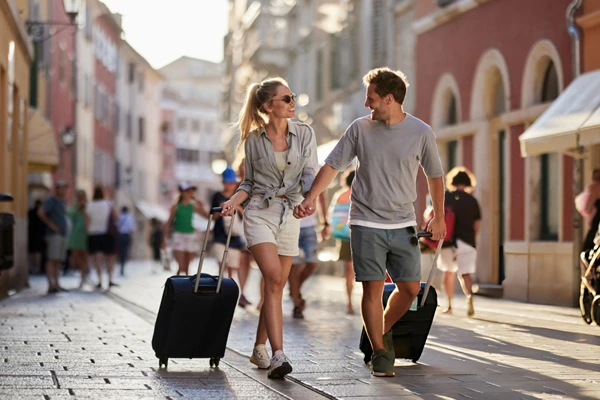
Did you know that traveling on a budget is becoming increasingly popular among travelers of all ages? Many believe that a substantial amount of money is required to take a trip, but this is a common misconception.
With proper planning and smart strategies, travel can be accessible to almost anyone. This comprehensive guide will cover the main categories to help you save money on your next adventure: transportation, accommodation, food, and activities. By exploring these ways to reduce costs, you’ll be able to enjoy a fulfilling experience without breaking the bank.
Budget travel often leads to more authentic and meaningful experiences. This guide will provide you with practical, actionable tips to make your next trip memorable and affordable.
Table of Contents
Why Budget Travel is More Accessible Than You Think
The idea that travel has to be expensive is a myth that’s being debunked by travelers worldwide. Social media platforms like Instagram and Facebook often create unrealistic expectations about travel expenses, making it seem like everyone is jetting off to exotic destinations on a whim. However, the reality is that many people are traveling on a budget, and it’s more accessible than you think.
Common Misconceptions About Travel Costs
One of the biggest misconceptions about travel is that it’s only for the wealthy. Many people believe that international travel is too expensive, but this isn’t necessarily true. For example, by being mindful of travel costs and making smart choices, you can have a fulfilling trip without breaking the bank.
- Debunking the myth that international travel is only for the wealthy
- Understanding how social media creates unrealistic expectations about travel expenses
Benefits of Budget-Conscious Travel
Being budget-conscious while traveling doesn’t mean you’re restricted; it means you’re prioritizing your spending. Budget travel allows for longer trips and more frequent travel opportunities. By staying in local neighborhoods and eating at local establishments, you can have more authentic cultural experiences. For instance, choosing to cook your own meals instead of dining at touristy restaurants can save you a significant amount of money.
- Allowing for longer trips and more frequent travel opportunities
- Having more authentic cultural experiences by staying in local neighborhoods
Budget travel is about making conscious choices regarding your expenses. It’s not about deprivation, but about allocating your resources to what matters most to you. By doing so, you can have a memorable and fulfilling travel experience without overspending.
Planning Your Budget Travel Strategy
Effective budget travel requires a well-planned strategy to maximize your travel dollars. Before any travel planning and definitely before any travel booking, take time to define your travel goals and purpose.
Setting Clear Travel Goals and Priorities
Clarifying your top reasons for an upcoming trip allows those priorities to influence how you allocate your travel budget. Are you looking for an escape, an opportunity to indulge in local cuisine, to immerse yourself in nature, to experience a culture, or to see the sights? Establishing clear goals helps in making decisions that impact your trip costs.
For example, if experiencing local culture is a priority, you might allocate more money to cultural events and less to other activities. This intentional spending ensures that your travel experience is rich and fulfilling.
Creating a Realistic Travel Budget
To create a realistic travel budget, start by researching your destination-specific costs. Understand the typical expenses for transportation, accommodation, food, and activities. This research will help you allocate your money effectively.
It’s also crucial to build in a contingency fund for unexpected expenses. Using travel budget calculators and planning tools can help organize your finances and ensure you’re prepared for any situation.
The Four Main Travel Expense Categories
The four main categories for travel expenses are transportation, accommodation, food, and activities. Understanding the typical proportion of total trip costs for each category can help you plan more effectively. For instance, transportation might take up a larger portion of your budget if you’re traveling long distances.
By allocating your budget according to your priorities and understanding these categories, you can make the most of your travel experience. Taking the time to plan properly allows for a more enjoyable and less stressful trip.
As a notable travel expert once said,
The journey of a thousand miles begins with a single step.
In the context of budget travel, this means taking that first step by planning carefully and setting clear goals.

How to Travel on a Low Budget: Tips for Transportation
One of the biggest challenges of budget travel is managing transportation expenses, but there are several ways to keep costs down. Effective planning and flexibility can significantly reduce your travel costs.
Finding the Cheapest Flights
To find the cheapest flights, utilize search engines like Skyscanner, Google Flights, and Hopper. These platforms offer features like everywhere destination searches and flexible date options that can significantly reduce flight costs.
For instance, Skyscanner includes budget airlines that major search engines often overlook, and its “everywhere” option allows you to explore different destinations without having a fixed location in mind.
Budget Airlines: Pros and Cons
Budget airlines can offer substantial savings, but it’s crucial to be aware of their hidden fees and restrictions. Always check what’s included in the base fare and what’s not.
Some budget airlines charge extra for checked bags, food, and even printing your boarding pass. Weigh these costs against the initial ticket price to ensure you’re getting the best deal.
Using Public Transportation Like a Local
Navigating public transportation in foreign cities can be intimidating, but it’s often the most cost-effective way to get around. Research the local transit system before you arrive, and consider purchasing a city pass or travel card for convenience and savings.
Using public transportation like a local not only saves money but also provides a more authentic experience of the city.
When to Book Transportation in Advance
Booking transportation in advance can sometimes result in significant savings, especially for flights and popular train routes. However, maintaining flexibility is also important, as last-minute deals can occasionally be found.
For most travelers, a balanced approach works best: booking essential journeys in advance while leaving some flexibility for spontaneous decisions or last-minute deals.
Budget Accommodation Strategies
One of the biggest expenses for travelers is accommodation, but it doesn’t have to break the bank. Assuming you find a decently priced flight, housing will likely be the largest single expense of your trip. Luckily, there are more than a few ways to save on housing without sacrificing comfort or safety.
Exploring Alternatives to Traditional Hotels
Travelers have numerous options beyond traditional hotels, offering significant savings without compromising on quality. Hostels, guesthouses, and home exchanges are popular alternatives that cater to different needs and preferences.
For instance, hostels provide a social atmosphere and are ideal for solo travelers or those on a tight budget. Guesthouses, on the other hand, offer a more homely experience, often with the added benefit of local insights from the hosts.
Hostels, B&Bs, and Home Exchanges
Hostels are great for meeting fellow travelers and usually offer dormitory-style accommodation or private rooms at affordable prices. Bed and Breakfasts (B&Bs) provide a cozy, personalized experience, often including a hearty breakfast. Home exchanges allow you to stay in a local’s home, offering a more authentic experience of the town or city you’re visiting.
Location Considerations for Saving Money
The location of your accommodation can significantly impact your overall travel expenses. Staying slightly outside city centers can be cost-effective, especially if there are good public transportation links. This not only saves you money on accommodation but also reduces the need for expensive taxi rides or car rentals.
Booking Tactics to Get the Best Deals
To secure the best deals, it’s essential to book your accommodation at the right time. Many hotels and hostels offer early bird discounts or last-minute deals. Using loyalty programs and booking directly through the hotel’s website can also lead to significant savings. Always read reviews to ensure that your chosen accommodation meets your standards for cleanliness, safety, and overall quality.
By adopting these budget accommodation strategies, travelers can significantly reduce their expenses without compromising on the quality of their travel experience. Whether you’re staying in a hostel, B&B, or home exchange, there are plenty of options available to suit every budget and preference.
Eating Well Without Breaking the Bank
Enjoying local cuisine is a highlight of traveling, and it doesn’t have to break the bank. Managing food expenses is crucial to staying within your travel budget. By making a few simple changes to your eating habits, you can save money and still experience the best of what your destination has to offer.
Self-Catering and Grocery Shopping Abroad
One effective way to cut down on food expenses is by self-catering. Booking accommodations with kitchen access allows you to prepare some of your meals. Grocery shopping abroad can be an adventure in itself. Visit local markets or supermarkets to get a feel for the prices and availability of various ingredients. This approach not only saves you money but also gives you a chance to interact with the local culture.
Finding Authentic and Affordable Local Restaurants
When eating out, it’s best to avoid restaurants that cater primarily to tourists, as they often charge higher prices. Instead, look for eateries that are frequented by locals. These places usually offer more authentic cuisine at a lower cost. A good rule of thumb is to avoid restaurants with We speak English signs and multilingual menus. Opt for establishments with a short, handwritten menu in the local language, and consider trying the daily specials.
Smart Strategies to Avoid Tourist Traps
To avoid tourist traps, be mindful of your surroundings and do some research before heading out to eat. Street food and market meals are excellent options for experiencing local cuisine while keeping costs down. Eating your main meal at lunch rather than dinner can also help you save money, as lunch menus are often cheaper. By being mindful of your food choices and eating habits, you can enjoy your travel experience without overspending in a single day.
By implementing these strategies, you can enjoy the culinary delights of your destination while keeping your expenses in check, ensuring a more enjoyable and stress-free travel experience.
Choosing Budget-Friendly Destinations
Budget-conscious travelers know that the destination is a key factor in trip expenses. Choosing a budget-friendly destination can significantly stretch your travel budget, allowing you to enjoy more for less.
Countries Where Your Dollar Goes Further
Some countries offer more value for your money than others. For instance, as a Canadian traveler, I’ve found that Spain and Portugal are quite affordable compared to other European countries like the UK, Italy, and France.
Here are some countries where the US dollar typically goes further:
- Cambodia
- Vietnam
- Thailand
- Portugal
- Spain
These countries offer a range of options for accommodation, dining, and activities at affordable prices, making them ideal for budget travelers.

Off-the-Beaten-Path Alternatives to Popular Spots
Opting for less popular destinations can yield significant cost savings. Instead of visiting crowded and expensive tourist hotspots, consider exploring alternative places that offer similar experiences at a lower price.
For example, instead of visiting Paris, consider visiting Budapest, Hungary, which offers a similar European experience at a fraction of the cost. Similarly, instead of going to the crowded beaches of Costa del Sol in Spain, look into the lesser-known coastal towns of Croatia.
By choosing budget-friendly destinations and being mindful of your travel plans, you can enjoy a fulfilling trip without breaking the bank.
Timing Your Trip: Seasons and Savings
Understanding the best time to visit a destination is crucial for budget travelers. The season you choose to travel in can significantly impact your expenses, making it essential to plan your trip during the right time.
Benefits of Off-Season and Shoulder Season Travel
Traveling during the off-season or shoulder season can offer numerous benefits beyond just cost savings. While the shoulder season is becoming less distinct due to the rise in tourism, visiting a country during its off-peak periods can result in fewer crowds, moderate temperatures, and lower prices. You may need to compromise on certain aspects like weather or local events, but the advantages can outweigh these drawbacks.
For instance, traveling mid-week instead of on weekends can lead to significant savings in both urban and resort destinations. This flexibility with your travel days can help you save money.
How to Research the Best Time to Visit
To make the most of your travel budget, it’s crucial to research the best time to visit your chosen destination. Look into the local climate, tourist seasons, and price trends to find the optimal balance between good weather and lower costs.
Identifying local festivals and events can also enhance your travel experience. By aligning your trip with these events, you can enjoy a more authentic and engaging experience without breaking the bank. Researching weather patterns, tourist flows, and pricing trends will help you make informed decisions about when to travel.
Managing Money While Traveling
One of the most significant challenges travelers face is navigating financial transactions in foreign countries. Foreign transaction fees and poor exchange rates can silently drain a travel budget. To avoid these unnecessary expenses, it’s crucial to have the right financial tools and knowledge.
Avoiding Foreign Transaction Fees
Most credit cards charge a 3% foreign transaction fee, and debit cards often come with both a 3% fee and a $5 ATM withdrawal fee. To avoid these charges, consider using travel-specific credit and debit cards that waive foreign transaction fees. Cards like the Chase Sapphire Preferred and Capital One Venture are popular options that offer no foreign transaction fees and reward travel points.
Smart Currency Exchange Strategies
When exchanging currency, avoid exchanging money at airports or tourist areas, as they often offer poor exchange rates. Instead, use ATMs to withdraw local currency or exchange a small amount at your bank before traveling. Using a credit card with no foreign transaction fees is also a smart strategy for making purchases abroad.
Travel-Friendly Banking Options
Some banks offer travel-friendly features such as fee-free ATM withdrawals and real-time transaction alerts. Consider opening an account with banks like Charles Schwab or Discover, which are known for their travel-friendly banking options. Having multiple payment methods, including credit cards, debit cards, and cash, can also provide flexibility and security while traveling.
To further enhance your travel experience, set up travel notifications with your bank to avoid card blocks, and consider using digital tools to track your expenses across currencies. With the right financial strategies, you can minimize fees, maximize convenience, and enjoy a stress-free trip.
Free and Low-Cost Activities Around the World
Traveling on a budget doesn’t mean missing out on enriching experiences, as numerous destinations offer a wide array of free and low-cost activities. Europe, for example, is replete with museums, historic neighborhoods, and cultural festivals that are accessible without overspending.
Finding Free Walking Tours and Cultural Experiences
One of the best ways to immerse yourself in a new city is by taking a free walking tour. These tours not only provide historical context but also offer insights into local culture and hidden gems. Many cities worldwide offer such services, led by knowledgeable guides who share stories and anecdotes about the city’s history and landmarks.
To make the most of these tours, it’s advisable to research them in advance. Websites and apps dedicated to travel often list available free walking tours, including their schedules and meeting points.
Museums, Parks, and Public Spaces
Museums, parks, and public spaces are other attractions that can be enjoyed without a hefty price tag. Many museums offer free or discounted admission on certain days of the week or month. Parks and public spaces, on the other hand, provide a glimpse into local life and are perfect for picnics or leisurely strolls.
Researching these attractions before your trip can help you plan your itinerary effectively, ensuring that you make the most of your travel budget.
When to Splurge vs. When to Save on Activities
While saving money is a priority for budget travelers, there are times when it’s worth splurging on premium experiences. The key is to strike a balance between free or low-cost activities and those that are worth the extra expense. For instance, if a particular cultural event or guided tour offers unique insights or experiences that align with your travel goals, it might be worth the investment.
Ultimately, the decision to splurge or save depends on your personal preferences and priorities. By planning ahead and researching your options, you can enjoy a fulfilling travel experience that stays within your budget.
Practical Ways to Save Before Your Trip
Traveling on a budget doesn’t mean you can’t have amazing experiences, and it starts with saving wisely before your trip. To make your travel dreams a reality, it’s crucial to have a solid plan in place. This involves creating a dedicated travel fund, making small daily sacrifices, and leveraging travel rewards and points systems.
Creating a Travel Fund
One of the most effective ways to save for a trip is by creating a dedicated travel fund. This can be achieved through automatic transfers from your checking account to your savings or a specific travel savings account. Many banks offer savings apps that allow you to set savings goals and track your progress. By automating your savings, you ensure that you are consistently setting aside money for your trip without having to think about it.
Small Daily Sacrifices That Add Up
Making small daily sacrifices can significantly impact your travel savings over time. For example, skipping your daily coffee at Starbucks or Peet’s can save you around $60 a month, as they cost about $5 per drink when purchased three times a week. That’s equivalent to a round-trip European flight with RyanAir, ten nights’ stay in a hostel in Ecuador or Thailand, or entry and a train ride to Machu Picchu. By making your own coffee at home, you can save this amount for your trip.

Travel Rewards and Points Systems
Maximizing travel rewards and points systems is another practical way to save on your trip. Using the right credit cards for your daily expenses can help you accumulate significant points or miles. For instance, if you use a travel rewards credit card for your regular purchases, you can earn points that can be redeemed for flights, hotel stays, or other travel-related expenses. It’s essential to choose a credit card that aligns with your spending patterns and travel goals.
| Using a travel rewards credit card | Monthly Savings | Potential Travel Experience |
| Skipping daily coffee | $60 | Round-trip European flight with RyanAir |
| Using travel rewards credit card | Varies | Flights, hotel stays, or other travel expenses |
| Automating savings | User-defined | Various travel experiences based on savings amount |
By implementing these strategies, you can significantly boost your travel savings, making your next adventure more affordable and enjoyable.
What Not to Compromise for Budget Travel
Budget travel requires smart decisions, but there are some things you should never skimp on to ensure a safe and enjoyable trip. One of the most critical aspects is travel medical insurance. As my husband and I learned from personal experience, medical emergencies can happen unexpectedly, and the costs associated with them can be astronomical. During one of our trips, we had an unfortunate encounter with an ambulance ride, hospital visits, and a significant amount of medical care. Thankfully, we had insurance to cover these expenses.
Another essential consideration is safety. While it’s tempting to save money by staying in the cheapest accommodations or using the most budget-friendly transportation, these choices can sometimes compromise your safety. For instance, opting for a low-cost, unreviewed hostel might save you money but could also put you at risk. It’s crucial to research and choose accommodations and transportation methods that have good reviews and are known for their safety.
Certain experiences unique to a destination may also be worth the splurge. For example, participating in a local cultural event or taking a guided tour can significantly enhance your travel experience. When planning your trip, consider what activities or experiences are must-haves and allocate your budget accordingly. It’s also wise to build some flexibility into your budget to accommodate unexpected opportunities or changes in plans.
In conclusion, while budget travel is about saving money, it’s equally about making smart spending decisions. By prioritizing essentials like travel insurance and safety, and being mindful of when to splurge, you can have a fulfilling and enjoyable trip without breaking the bank. Remember, the goal of budget travel isn’t deprivation but rather smart spending that allows you to make the most of your trip.
You Might Also Enjoy: Expert Solo Travel Tips 2026 for Adventurers