
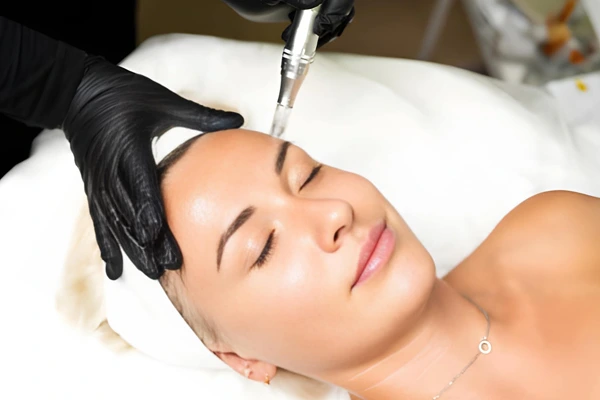
Adult acne is a common condition affecting many individuals over 25 years old. An increasing number of adults, especially women, are battling breakouts. Effective Acne Treatment options are available to address their concerns.
As adult skin may juggle acne alongside sensitivity, dryness, or fine lines, tailored solutions to match your skin’s unique needs are essential.
This comprehensive guide will explore the most effective treatments specifically formulated for adult skin based on dermatologist recommendations, including various Acne Treatment strategies.
By understanding the differences between adult and teenage acne, readers will be able to make informed decisions about their treatment options.
Table of Contents
Understanding Adult Acne: Why It’s Different
Acne in adults is not just a continuation of teenage acne; it has its own set of triggers and manifestations. Adult acne differs significantly from teenage acne in its underlying causes, presentation, and optimal treatment approaches.
Distinguishing Between Hormonal and Bacterial Acne
Distinguishing between hormonal and bacterial acne is crucial for effective treatment. Hormonal acne often appears along the jawline, chin, and neck, presenting as deep, cystic, and painful bumps that may not come to a head. On the other hand, bacterial acne more commonly manifests as whiteheads, blackheads, pustules, and papules that can appear anywhere on the face, chest, or back, caused by an overgrowth of acne bacteria.
Understanding the right Acne Treatment can make a significant difference in managing adult acne effectively.
| Acne Type | Common Locations | Characteristics |
| Hormonal Acne | Jawline, Chin, Neck | Deep, Cystic, Painful Bumps |
| Bacterial Acne | Face, Chest, Back | Whiteheads, Blackheads, Pustules, Papules |
Common Triggers for Adult Breakouts
Adult acne triggers include hormonal fluctuations (such as those experienced during menstrual cycles, pregnancy, or menopause), stress, diet, certain medications, and environmental factors. Understanding these triggers is key to managing adult acne effectively.
- Hormonal changes
- Stress
- Dietary factors
- Certain medications
- Environmental factors
The Best Acne Treatment for Adults According to Dermatologists
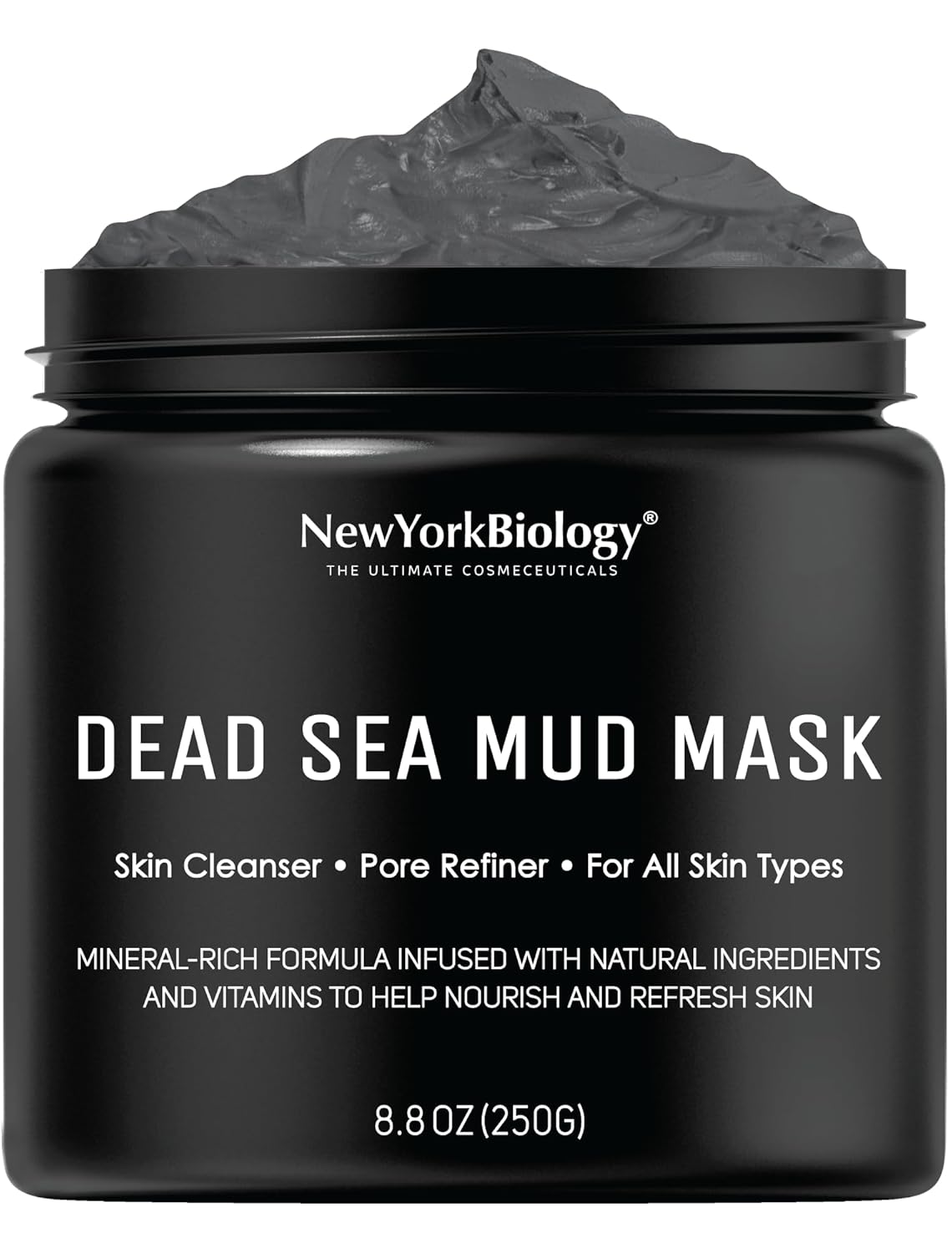
According to dermatologists, the most effective acne treatments for adults include retinoids, benzoyl peroxide, and salicylic acid. These ingredients have been clinically proven to combat adult acne effectively.
Retinoids: The Gold Standard
Retinoids, such as adapalene, are considered the foundation of adult acne treatment. They work by normalizing cell turnover, preventing clogged pores, and reducing inflammation. Adapalene is available over-the-counter at a 0.1% concentration, making it accessible for those looking to manage their acne without a prescription.
By promoting cell turnover, retinoids help to unclog pores and prevent the formation of blackheads and whiteheads. This makes them an effective long-term treatment option for adult acne.
Benzoyl Peroxide: Fighting Bacteria Without Resistance
Benzoyl peroxide is another effective ingredient in the fight against adult acne. It works by killing acne-causing bacteria without creating resistance, making it an excellent long-term treatment option. Concentrations of 2.5-5% are recommended for adult skin.
Using benzoyl peroxide at a lower concentration initially can help minimize potential side effects such as dryness and irritation. Gradually increasing the concentration as the skin becomes more tolerant can enhance its effectiveness.
Salicylic Acid: Unclogging Pores
Salicylic acid, a beta-hydroxy acid, is particularly effective at unclogging pores and exfoliating the skin. It penetrates oil-filled hair follicles to reduce blackheads and whiteheads, making it ideal for congestion-prone adult skin.
Salicylic acid can be found in various formulations, including cleansers and leave-on treatments, allowing individuals to choose a product that suits their skin type and needs.
Dermatologists often recommend combining these ingredients in a strategic routine for comprehensive acne control. Starting with lower concentrations and gradually increasing can help minimize irritation, especially for sensitive adult skin.
Effective Ingredients to Look for in Adult Acne Products
When searching for the ideal adult acne treatment, it’s crucial to understand the key ingredients that make a product effective. Adult acne can be particularly challenging due to various factors such as hormonal changes, stress, and the use of inappropriate skincare products.
Azelaic Acid: The Multi-Tasker
Azelaic acid is recognized for its multifaceted benefits in treating adult acne. It possesses antibacterial and anti-inflammatory properties, helping to unclog pores and reduce inflammation. This ingredient is also effective in lightening dark spots that often remain after acne has healed. Available in over-the-counter (OTC) formulations such as 20% acne creams and 15% rosacea gel treatments, azelaic acid is a versatile option. Notably, it does not cause bacterial resistance, although it may cause a sensation of burning or stinging in some individuals.
Niacinamide and Other Supporting Ingredients
Beyond primary acne-fighting ingredients, several supporting components can enhance treatment efficacy. Niacinamide, or vitamin B3, is particularly valuable as it strengthens the skin barrier, reduces inflammation, regulates oil production, and fades hyperpigmentation. Other beneficial ingredients include hyaluronic acid for hydration, ceramides to repair the skin’s barrier function, and green tea extract for its anti-inflammatory properties. These ingredients work synergistically to address multiple skin concerns simultaneously, making them ideal for adult acne sufferers.
Ingredients to Avoid for Sensitive Skin
Adults with acne-prone skin should be cautious of certain ingredients that may trigger breakouts or irritation. Heavy oils, fragrance, alcohol, and specific silicones are common culprits. Products labeled non-comedogenic are designed not to clog pores, though individual reactions may vary based on skin type and sensitivity. When selecting acne products, it’s essential to consider additional skin concerns, such as aging, dryness, or sensitivity, to find formulations that address multiple needs.
| Ingredient | Benefits | Considerations |
| Azelaic Acid | Antibacterial, anti-inflammatory, unclogs pores, lightens dark spots | May cause burning or stinging sensation |
| Niacinamide | Strengthens skin barrier, reduces inflammation, regulates oil production | Generally well-tolerated |
| Hyaluronic Acid | Provides non-comedogenic hydration | Ideal for sensitive skin |
Building an Effective Adult Acne Skincare Routine
Creating an effective skincare routine is key to controlling adult acne and preventing future breakouts. A well-structured routine helps in managing acne by ensuring that the skin is properly cleansed, treated, and protected.
Morning Routine: Cleanse, Treat, Protect
In the morning, the focus should be on gentle cleansing to remove overnight oil buildup without stripping the skin. This is followed by applying lightweight treatment products and non-comedogenic sun protection. Using a gentle, pH-balanced cleanser is crucial to maintaining the skin’s natural barrier.
The sequence of products is important. Generally, products should be applied from thinnest to thickest. Active treatments should be applied to clean, dry skin before moisturizers. A non-comedogenic moisturizer helps hydrate the skin and restore its protective lipids after cleansing.
- Gently cleanse the skin to remove overnight oil buildup.
- Apply lightweight treatment products.
- Use non-comedogenic sun protection.
Evening Routine: Repair and Recover
In the evening, the routine should emphasize thorough cleansing to remove makeup, pollution, and daily buildup. This is followed by more intensive treatment products that can work overnight to repair and recover the skin. Proper cleansing is essential to prevent clogged pores and skin irritation.
| Routine | Product/Application | Benefit |
| Morning | Gentle cleanser | Removes overnight oil buildup |
| Morning | Lightweight treatment products | Targets acne without irritation |
| Evening | Thorough cleansing | Removes makeup and pollution |
| Evening | Intensive treatment products | Repairs and recovers skin overnight |
Consistency is key when it comes to acne treatment. Results typically take 6-8 weeks to become visible, so maintaining your routine even when not seeing immediate improvement is important. A minimalist routine with carefully selected active ingredients is often more effective than using multiple products that may irritate the skin.

Treating Specific Types of Adult Acne
Different types of adult acne demand distinct treatment strategies to address their underlying causes. Adult acne can be particularly challenging due to its varied presentations and the skin changes that occur with age.
Solutions for Hormonal Acne
Hormonal acne, characterized by deep, painful cysts along the jawline and chin that flare cyclically, often responds well to both topical treatments and internal approaches that address hormonal balance. Dermatologists may recommend prescription options like spironolactone or certain birth control pills alongside topical treatments to regulate oil production and reduce inflammation.
- Topical retinoids can help prevent clogged pores.
- Oral medications like spironolactone can reduce hormonal fluctuations.
- Lifestyle changes, including stress management and dietary adjustments, can also play a crucial role.
Treatments for Menopausal Acne
Menopausal acne presents unique challenges as it occurs alongside skin that’s becoming drier and showing more signs of aging, requiring gentle yet effective treatment approaches. For menopausal acne, dermatologists typically recommend retinoids combined with hydrating ingredients, anti-inflammatory agents like niacinamide, and possibly hormone replacement therapy in consultation with a physician.
- Retinoids can help promote cell turnover and reduce acne.
- Hydrating ingredients can combat dryness associated with menopause.
- Niacinamide can help reduce inflammation and improve skin elasticity.
Both hormonal and menopausal acne benefit from consistent skincare routines that include gentle cleansing, targeted treatments, adequate hydration, and sun protection. Lifestyle factors, including stress management, adequate sleep, and anti-inflammatory dietary choices, can significantly impact acne management.
When to See a Dermatologist for Adult Acne
If you’re struggling with adult acne, understanding when to seek help from a dermatologist can make a significant difference. While many adults can manage their acne with over-the-counter treatments, certain situations warrant professional care.
Signs Your Over-the-Counter Treatments Aren’t Working
It’s essential to be patient when treating acne, as acne medication doesn’t work overnight. According to Dr. Harper, If you are not achieving the desired results after weeks of using your acne treatment, it is time to see your dermatologist. You can expect to see fewer breakouts within 4 to 8 weeks and significant clearing by 16 weeks. Signs that indicate it’s time to consult a dermatologist include:
- Persistent acne despite 8-12 weeks of consistent over-the-counter treatment
- Deep or painful cystic acne
- Acne that leaves scars or persistent dark spots
- Sudden onset of severe acne
What to Expect During a Dermatologist Consultation
During your consultation, you can expect a thorough examination of your skin, detailed questions about your medical history and current skincare routine, and possibly tests to determine underlying causes. A dermatologist can offer prescription-strength topical treatments, oral medications, hormonal therapies, and in-office procedures tailored to your specific needs.
A customized treatment plan can address both your acne and other skin concerns, such as aging or sensitivity. Professional care is particularly important if your acne is causing significant emotional distress or affecting your self-confidence.
Expert Tips for Long-Term Adult Acne Management
Long-term control of adult acne involves a combination of proper skincare practices, effective treatments, and patience. To achieve clear skin, it’s crucial to adopt a comprehensive approach that extends beyond just treating active breakouts.
Consistent sun protection is vital not only for preventing skin cancer but also for preventing post-inflammatory hyperpigmentation (dark spots) that can linger long after acne has cleared. Using broad-spectrum sunscreens with a minimum of SPF 30 and physical sun shields like hats and clothing can significantly reduce the risk of acne breakouts.
Identifying and managing personal acne triggers-whether dietary, stress-related, or product-induced- can significantly reduce the frequency and severity of breakouts over time. Regular gentle exfoliation helps prevent dead skin cells from clogging pores while promoting cell turnover and fading acne scars.
Maintaining a healthy skin barrier through proper hydration and moisturization is essential, even for those with oily skin. Consider incorporating advanced treatments like blue light therapy under a dermatologist’s supervision to address stubborn acne and residual scarring.
You Might Also Enjoy: Smoothing Toner for Face & Body: Hydrate and Soothe