
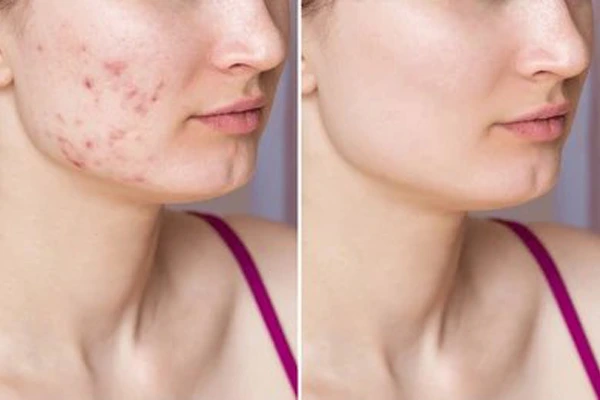
If you’re learning how to get rid of acne, this guide provides proven skincare tips and a comprehensive treatment plan.
Achieving clear, healthy skin is a goal for many, but persistent acne problems can be discouraging. Dealing with pimples and inflamed skin can affect not just your appearance, but also your confidence.
Understanding that acne affects a wide range of people is crucial. It’s not just about having a simple skincare routine; it’s about adopting a comprehensive approach that includes the right skin care practices, lifestyle adjustments, and targeted treatments.
By combining effective products, healthy habits, and the right knowledge, you can transform your skin and regain your confidence. With patience and consistency, it’s possible to achieve the clear skin you deserve, overcoming the frustration of pimples and acne.
Table of Contents
Understanding Acne: Causes and Contributing Factors
To tackle acne, it’s essential to comprehend its causes and contributing factors. Acne is a multifaceted skin condition that affects millions of people worldwide.
What Causes Acne Formation
Acne develops when hair follicles become clogged with oil and dead skin cells, creating an ideal environment for Propionibacterium acnes bacteria to thrive and trigger inflammation. This process results in the formation of various types of acne, including pimples and blackheads.
| Cause | Description | Effect |
| Clogged Hair Follicles | Accumulation of oil and dead skin cells | Creates an environment for bacteria to thrive |
| Bacterial Infection | Rapid multiplication of Propionibacterium acnes | Triggers inflammation and acne formation |
| Hormonal Fluctuations | Changes in hormone levels, especially during puberty or menstrual cycles | Increases sebum production, leading to clogged pores |

Hormonal Influences on Acne Development
Hormonal changes play a significant role in acne development. During periods of hormonal fluctuations, such as puberty, menstrual cycles, or pregnancy, the body produces more sebum, which can clog pores and lead to acne. Understanding these hormonal influences is crucial for developing an effective treatment plan.
Key hormonal factors include:
- Androgens, which stimulate oil glands
- Fluctuations during menstrual cycles
- Changes during pregnancy
Different Types of Acne and Their Characteristics
Understanding the different types of acne is crucial for effective treatment and management. Acne severity can range from mild forms like blackheads and whiteheads to more severe forms such as cysts and nodules.
Blackheads and Whiteheads
Blackheads and whiteheads are non-inflammatory types of acne. Blackheads appear dark due to oxidation when the pore is open, while whiteheads remain closed under the skin’s surface. These types of acne are often treated with topical creams and cleansers.
Inflammatory Acne: Papules, Pustules, and Cysts
Inflammatory acne includes papules, pustules, and cysts, which are more severe and can cause significant discomfort. Papules are red, tender bumps, while pustules contain visible pus. Cysts are large, painful bumps deep within the skin that can lead to scarring if not properly treated.
Body Acne: Chest, Back, and Beyond
Body acne occurs on areas like the chest, back, and shoulders, where oil glands are abundant. It requires different treatment approaches compared to facial acne. Understanding the specific type of body acne you’re dealing with is key to selecting the right treatment.
| Type of Acne | Characteristics | Common Locations |
| Blackheads | Open comedones, dark due to oxidation | Face, nose, forehead |
| Whiteheads | Closed comedones, small white bumps | Face |
| Papules and Pustules | Red, inflamed bumps with or without pus | Face, chest, back |
| Cysts | Large, painful bumps deep in the skin | Face, chest, back |
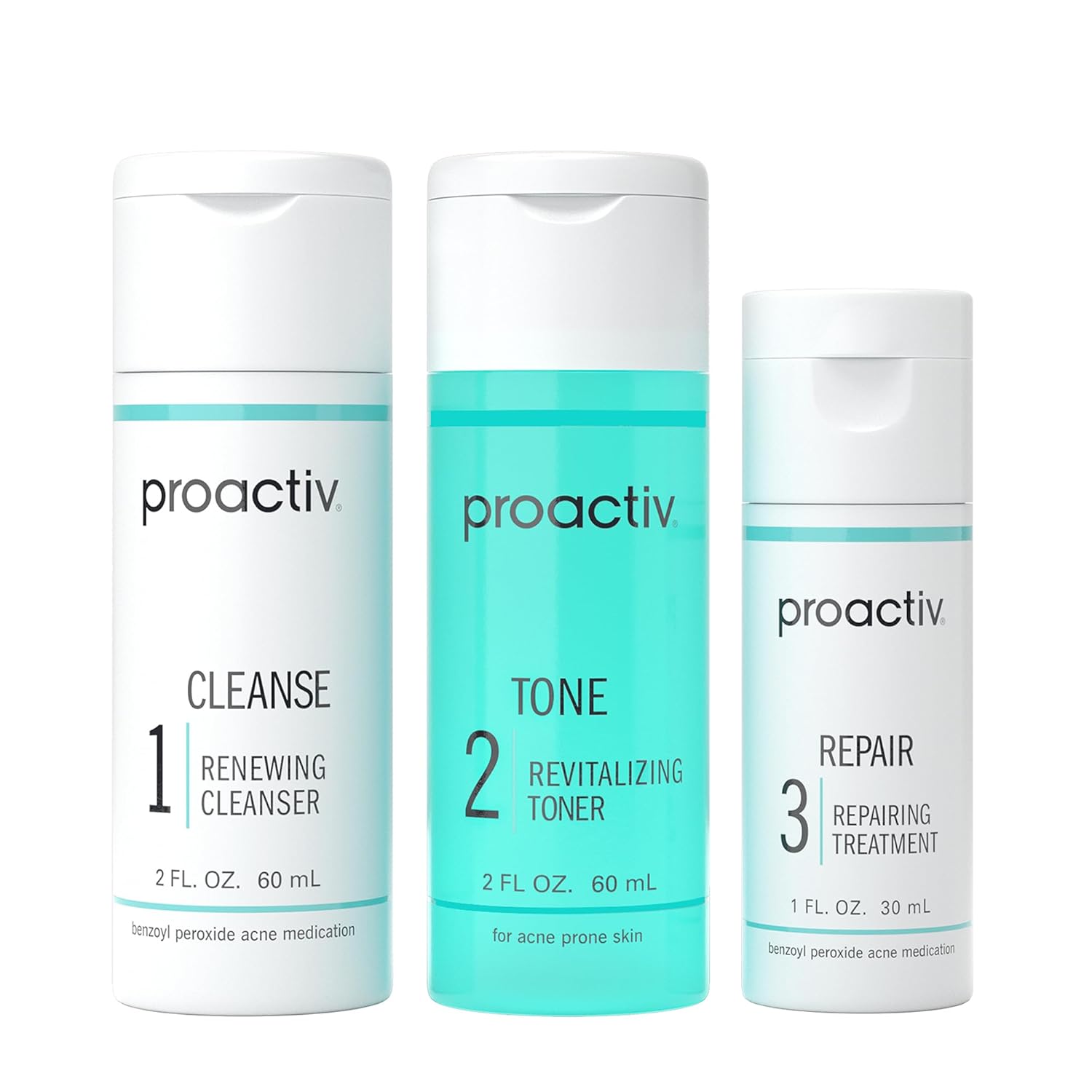
As noted by dermatological experts, “Identifying the type of acne is the first step towards effective treatment.” Effective management of acne involves understanding its type and characteristics, allowing for targeted treatment approaches.
Essential Daily Skincare Routine to Combat Acne
Establishing a consistent daily skincare routine is crucial for effectively managing and reducing acne. By incorporating the right techniques and products, you can significantly improve the health and appearance of your skin.
Proper Cleansing Techniques
Cleansing your face gently twice a day is vital. Use lukewarm water and a non-abrasive, pH-balanced cleanser specifically formulated for acne-prone skin. Avoid harsh scrubbing or exfoliating brushes, which can irritate active breakouts and spread bacteria. Instead, use your fingertips to apply cleanser in gentle circular motions.
The Role of Moisturizers and Sunscreens
Even if your skin is oily, incorporating oil-free, non-comedogenic moisturizers into your routine is essential. Proper hydration helps regulate sebum production and prevents overcompensation that can lead to more breakouts. Always apply broad-spectrum sunscreen with at least SPF 30 daily to protect your skin from sun damage that can worsen acne scarring and hyperpigmentation.
Post-Workout Skincare Essentials
Developing a post-workout cleansing ritual is crucial. Immediately wash away sweat and bacteria that can clog pores. If a full wash isn’t possible, use portable cleansing wipes. This helps prevent sweat from sticking to your face and potentially causing acne.
By following these essential daily skincare practices, you can effectively combat acne and achieve clearer, healthier skin.
Proven Methods on How to Get Rid of Acne
Clearing acne requires patience, the right treatment, and a consistent skincare regimen. To effectively get rid of acne, it’s essential to understand the various treatment options available and how they work.
Benzoyl Peroxide: How It Works Against Acne
Benzoyl peroxide is a powerful antimicrobial agent that penetrates deep into pores to kill acne-causing bacteria. It also helps remove excess oil and dead skin cells that contribute to breakouts. Using a benzoyl peroxide face wash once or twice a day can reduce inflammation and kill bacteria associated with acne formation.
Other Effective Over-the-Counter Treatments
In addition to benzoyl peroxide, other effective over-the-counter treatments include salicylic acid and retinoids. Salicylic acid exfoliates inside the pore lining, dissolving oil and debris while reducing inflammation, making it particularly effective for blackheads and whiteheads. Retinoids derived from vitamin A accelerate cell turnover, prevent clogged pores, and reduce inflammation.
Common Mistakes to Avoid in Acne Treatment
To achieve clear skin, it’s crucial to avoid common treatment mistakes. These include using too many products simultaneously, expecting overnight results, or abandoning treatments before they’ve had time to work. Most treatments require 6-8 weeks for noticeable improvement. Consistency is key to success with any acne treatment regimen.
The Connection Between Diet and Acne
The relationship between diet and acne has been a topic of interest for many, with research shedding light on how certain foods can impact skin health. While there’s no conclusive evidence that specific foods like chocolate or greasy foods directly cause acne, studies suggest that dietary choices play a significant role in acne development.
Foods That May Trigger Breakouts
Certain foods can trigger or worsen acne. High-glycemic foods like white bread and sugary snacks can cause insulin spikes, increasing oil production and inflammation. Dairy products, particularly skim milk, have also been linked to acne due to their hormonal content and the body’s insulin response.
- Consuming high-glycemic foods can lead to increased oil production and inflammation.
- Dairy products may trigger acne due to their hormonal content.
Skin-Supporting Nutrition Choices
Incorporating anti-inflammatory foods rich in omega-3 fatty acids, antioxidants, zinc, and vitamin A can help combat acne. These nutrients reduce inflammation and support healthy skin cell turnover. Staying hydrated by drinking plenty of water also helps flush toxins and maintain skin hydration, potentially reducing breakouts.
- Eating foods rich in omega-3 fatty acids and antioxidants can help reduce inflammation.
- Staying hydrated is crucial for maintaining skin health and reducing breakouts.
Lifestyle Habits That Affect Your Skin
Achieving clear skin isn’t just about using the right products; it’s also about making positive lifestyle changes. Your daily habits can significantly impact your skin’s health, either contributing to or combating acne.
The Impact of Stress on Acne
Chronic stress can trigger hormonal changes that increase sebum production and inflammation, creating an ideal environment for acne. Practicing stress management techniques like meditation and exercise can help mitigate this effect.

Sleep Quality and Skin Health
Quality sleep is essential for skin repair and regeneration. Poor sleep quality can lead to increased acne severity and slower healing of existing breakouts. Ensuring adequate sleep is crucial for maintaining healthy skin.
Hygiene Practices for Clearer Skin
Simple hygiene practices can dramatically reduce the bacteria transferred to your face. Changing your pillowcase regularly, sanitizing your phone screen, and washing your makeup brushes are effective ways to keep your skin clear.
| Habit | Impact on Skin |
| Stress Management | Reduces hormonal imbalances and inflammation |
| Quality Sleep | Enhances skin repair and regeneration |
| Good Hygiene Practices | Reduces bacteria transfer to the face |
When to Seek Professional Help for Acne
If you’re struggling to control acne on your own, it’s time to consider seeking help from a dermatologist. While over-the-counter treatments can be effective for mild cases, more severe or persistent acne may require professional intervention.
Signs Your Acne Requires Dermatological Intervention
Certain signs indicate that your acne is beyond the realm of self-treatment. These include:
- Acne that doesn’t improve after 6 to 8 weeks of consistent over-the-counter treatment
- Deep, painful cystic acne or nodules that risk permanent scarring
- Widespread acne covering large areas of the face, chest, back, or other body parts
- Acne in children under 8, which may signal early puberty and require evaluation by a pediatric dermatologist
Recognizing these signs early can help you seek timely treatment and prevent long-term skin damage.
What to Expect at Your Dermatologist Appointment
During your first visit to a dermatologist, you can expect a thorough examination of your skin, including questions about your medical history and current skincare routine. Your dermatologist may also take photos to track progress over time. Based on this assessment, they will create a personalized acne treatment plan tailored to your specific needs, which may include prescription-strength topicals, oral antibiotics, hormonal therapies, or advanced procedures.
Advanced Treatment Options for Persistent Acne
For individuals struggling with persistent acne, advanced treatment options offer a beacon of hope. When standard treatments fail, it’s essential to explore more sophisticated approaches to tackle this stubborn skin issue.
Prescription Medications and Their Effects
Prescription medications can be highly effective for severe acne. Isotretinoin, formerly known as Accutane, is a powerful option that reduces oil production, kills bacteria, and normalizes skin cell turnover. Other prescription-strength retinoids like tretinoin and adapalene penetrate deeper than over-the-counter versions, effectively treating existing acne while preventing new breakouts.
Professional Procedures for Severe Acne
Professional procedures offer additional solutions for severe acne and scarring. Treatments such as chemical peels, microdermabrasion, and laser therapies can address both active acne and residual scarring by removing damaged skin layers and stimulating collagen production. Cortisone injections provide rapid relief for painful cystic acne by delivering anti-inflammatory medication directly into the lesion.
Treating Hormonal Acne Specifically
Hormonal treatments can be transformative for women with cyclical chin and jawline breakouts. Spironolactone and certain birth control pills address hormonal imbalances that trigger excess oil production, offering a targeted approach to managing hormonal acne.
Your Journey to Clear Skin: Patience and Persistence
Achieving clear skin is a journey that requires patience, persistence, and the right combination of treatments. Improvements take time, often requiring at least three months to start seeing results. Consistency with your chosen treatments is crucial, as skipping days or abandoning regimens prematurely is the most common reason for treatment failure.
To track your progress, consider documenting your skin with weekly photos taken in the same lighting conditions. Celebrate small victories along your skincare journey, such as fewer new breakouts or reduced inflammation. With persistence and the right combination of treatments, clear skin is an achievable goal for virtually everyone struggling with acne and pimples.
You Might Also Enjoy: Find the Best Acne Treatment for Adults: Expert Advice