
A recent survey found that 27% of Americans feel overwhelmed by clutter at home. This clutter not only takes up space but also affects our mental health. It makes it hard to focus and relax.
Choosing a simpler way of living by decluttering can greatly improve our lives. By getting rid of things we don’t need, we make our homes more organized and peaceful. This leads to a clearer mind and a calmer living space.
We will look into how to live a minimalist lifestyle. We’ll share tips on decluttering and simplifying our lives. This will help you live more intentionally and enjoy the things that truly matter.
Table of Contents
What Is a Minimalist Lifestyle?
Living a minimalist lifestyle is more than just cleaning up your space. It’s a big change in how you live and see the world. It means making your surroundings simpler, cutting down on clutter, and focusing on what really matters to you.
The Philosophy Behind Minimalism
Minimalism challenges the idea of always buying more stuff. It’s about living with purpose, where everything has a reason to be there. The main idea is to have less, not because you have to, but because you want to. This leads to a life that’s more meaningful and free from clutter.
Modern Minimalism vs. Historical Simplicity
Historical simplicity was often forced by a lack of money or resources. But modern minimalism is a choice. It’s about knowing the difference between what you need and what’s just taking up space. Modern minimalists choose simplicity to live a more rewarding life, without the weight of too many things.
| Aspect | Modern Minimalism | Historical Simplicity |
| Motivation | Conscious choice for a simpler life | Necessity due to economic or environmental factors |
| Focus | Reducing clutter, living with intention | Making do with less due to circumstances |
| Outcome | A more fulfilling, clutter-free life | Limited by the absence of resources |
The Psychological Benefits of Embracing Minimalism
Minimalism can greatly improve your mental health. It simplifies your space and reduces clutter. This leads to a more peaceful home that helps clear your mind and lowers stress.
Reduced Anxiety and Stress
Minimalism is great for reducing anxiety and stress. Clutter can make you feel overwhelmed and unable to relax. By cleaning up, you create a calm space that helps you unwind.
Some ways minimalism helps with anxiety include:
- Reducing visual clutter
- Simplifying decision-making
- Creating a sense of control over one’s environment
Improved Focus and Mental Clarity
Minimalism also boosts focus and mental clarity. With fewer distractions, you can concentrate better. This makes it easier to set and achieve goals.
To improve mental clarity, try:
- Eliminating unnecessary commitments
- Streamlining your digital life
- Creating a daily routine that promotes focus
Enhanced Decision-Making Abilities
Minimalism makes decision-making easier. With fewer things to manage, you can make choices faster and with more confidence. This clarity can also help in other life areas, like work and relationships.
Embracing minimalism brings many psychological benefits. It leads to a more meaningful and intentional life. As you learn how to live a minimalist lifestyle, you’ll see its positive effects on your mental and emotional health.
Financial Freedom Through Minimalist Living
Living minimally is a great way to gain financial freedom. It helps you focus on what’s truly important. By simplifying your life, you can cut down on unnecessary spending and use your money better.
Spending Less on Material Possessions
Embracing minimalism means spending less on stuff. It’s about valuing experiences and personal growth over material things. This way, you can save money and avoid the stress of too much stuff.
For example, buying in bulk and avoiding impulse buys can save you a lot. It’s a smart way to cut down on spending.
Building Savings and Reducing Debt
When you spend less, you can save more and pay off debt. Start by making a budget that focuses on needs over wants. Pay off high-interest loans and build an emergency fund.
This approach helps you build a solid financial base. It reduces stress and boosts your overall well-being.
Redefining Success Beyond Material Wealth
Minimalism also helps you see success in a new light. It’s not just about money. It’s about personal achievements, relationships, and experiences.
This change in view can make you happier. You start to value the things that truly enrich your life.
By following these principles, you can use minimalism to achieve financial freedom. It leads to a more meaningful and stable financial life.
Environmental Impact of a Minimalist Lifestyle
Minimalism is more than a personal choice; it’s good for our planet. It helps reduce waste and consumption. This lessens the harm caused by making, moving, and throwing away products.
Reduced Consumption and Waste
Living minimally means buying and owning less. This cuts down on the need for new things and waste when we get rid of them. It leads to fewer emissions, less pollution, and less trash in landfills.
Small steps like choosing items with less packaging, buying second-hand, and avoiding single-use items help a lot. These actions can make a big difference.
Sustainable Living Practices
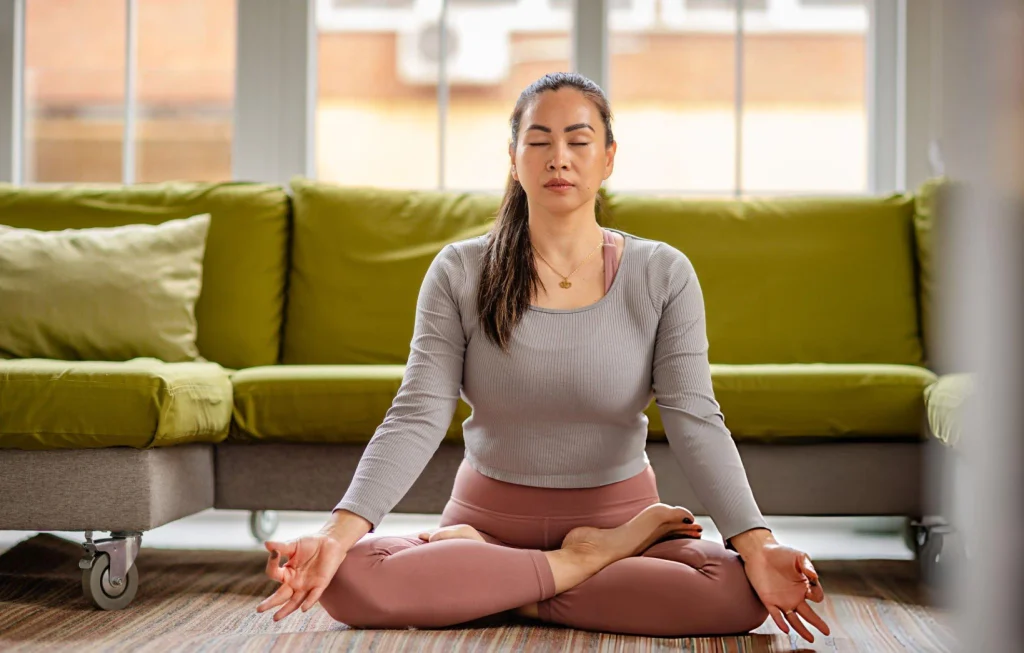
Minimalism leads to greener living. It helps people focus on what’s really needed. This means using reusable bags and containers, saving water and energy, and choosing eco-friendly ways to travel.
It also encourages fixing and reusing items instead of throwing them away. This cuts down on waste and supports a circular economy.
By making these habits part of our daily lives, we can make our living spaces simpler. We also help make the world more sustainable and environmentally friendly.
Getting Started: The Minimalist Mindset
To live more with less, start by adopting a minimalist mindset. This mindset values simplicity and clarity. It’s not just about getting rid of stuff. It’s about focusing on experiences, not just things.

Shifting from Quantity to Quality
First, focus on quality over quantity. Choose a few meaningful items over many cheap ones. Ask yourself if something adds real value to your life. This approach leads to fewer purchases and less clutter.
Defining Your Personal Values
Knowing your values is key to minimalism. Figure out what matters most to you. Let these values guide your choices on what to keep and what to discard. This clarity helps you stay on track and makes decluttering meaningful.
Setting Realistic Minimalism Goals
Setting achievable goals is vital for a minimalist lifestyle. Start by picking areas to simplify. Break big goals into smaller steps to avoid feeling stuck. Celebrate your wins to keep your motivation up.
By following these steps, you can adopt a minimalist mindset. This mindset simplifies your space and enriches your life with purpose and clarity.
Room-by-Room Decluttering Guide
To make your living space more organized and peaceful, try decluttering room by room. This method helps you tackle clutter in smaller parts. It makes the task feel less daunting.
Kitchen Minimalism
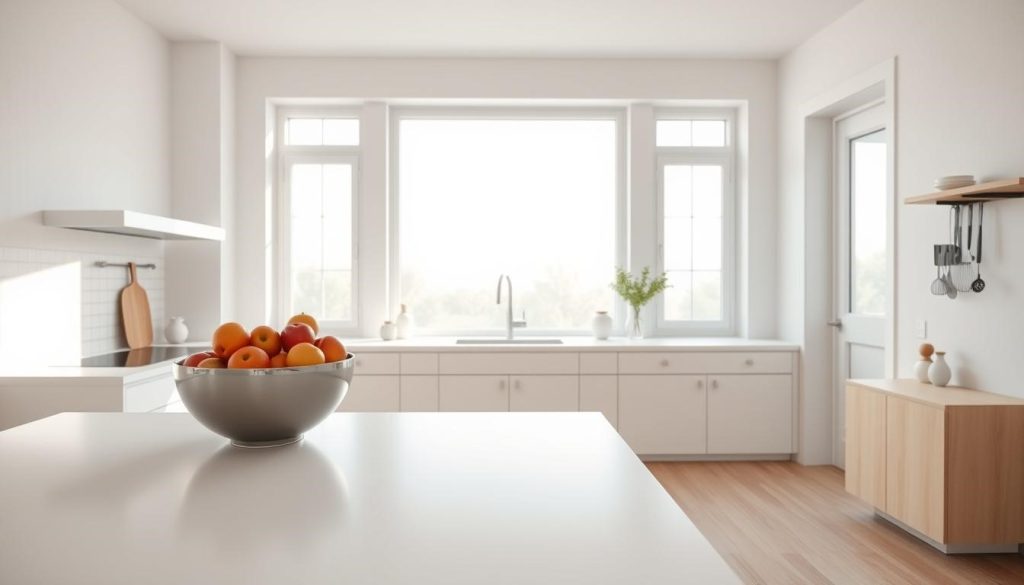
The kitchen is the heart of the home, but it can quickly get messy. It’s filled with gadgets, cookware, and food storage. Simplifying it makes cooking and meal prep more fun.
Essential Cookware and Utensils
Begin by reducing your cookware to the basics: a few versatile pots, a skillet, and key utensils. Choose quality over quantity for these items.
Food Storage Simplification
Use clear, stackable containers for food storage and cut down on packaging. This reduces clutter and makes meal planning easier.
Bedroom Transformation
The bedroom should be a peaceful place for rest and relaxation. Decluttering it can greatly improve your sleep and overall well-being.
Creating a Peaceful Sleep Environment
Get rid of items that disrupt a calm atmosphere, like TVs and exercise gear. Use soft lighting and soothing colors for a serene feel.
Organizing Clothing and Personal Items
Keep only what you wear often in your wardrobe. Use a system like color-coded closets or a capsule wardrobe to organize clothes.
Bathroom Essentials
Bathrooms can quickly get cluttered with toiletries and personal care items. Streamlining these makes your daily routine smoother.
Stick to the essentials, like a few toiletries and towels. Use baskets or shelves to keep things off countertops.
Living Room Simplification
The living room is for relaxation and socializing. Simplifying it makes it more welcoming and cozy.
Start by removing unnecessary furniture or decor. Choose a few, well-chosen pieces of furniture and decor that show your style.
By decluttering room by room, you can create a minimalist and peaceful living space. This improves your overall quality of life.
The KonMari Method and Other Decluttering Approaches
Embracing minimalism means getting rid of clutter. Many methods can help you do this. It’s not just about getting rid of things. It’s about making your space joyful and functional.

Marie Kondo’s Spark Joy Philosophy
Marie Kondo’s KonMari Method is famous worldwide. It’s simple: keep only what sparks joy. You gather items, hold each one, and keep those that make you happy.
This method focuses on the emotional value of our belongings. It teaches us to be more mindful and intentional with what we buy.
The Four-Box Method
The Four-Box Method is easy to follow. You label four boxes: keep, donate, sell, and discard. This helps you decide quickly what to do with each item.
By sorting items into these boxes, decluttering becomes less scary. It’s a systematic way to clear your space.
The Minimalist Game Challenge
The Minimalist Game is a fun way to declutter. You start by getting rid of one item, then two, and so on. This goes on for 30 days.
This challenge builds momentum. It helps you make big changes in a short time.
| Decluttering Method | Description | Key Benefit |
| KonMari Method | Keep items that spark joy | Emotional Connection |
| Four-Box Method | Categorize items into keep, donate, sell, discard | Systematic Decluttering |
| Minimalist Game | Gradually get rid of more items each day | Builds Momentum |
Each method has its own way to help you live minimally. By trying different techniques, you can find what works best for you. This leads to a more organized and clutter-free life.
Digital Minimalism in the Modern Age
In today’s world, minimalism isn’t just about cleaning up your space. It’s also about keeping your digital life simple. As technology gets more complex, it’s key to find a balance between our online and real-life worlds.
Decluttering Your Digital Devices
Digital mess can feel as bad as physical clutter. Begin by sorting out your digital files and deleting things you don’t need. Use a folder system and clean out your digital storage often to keep things tidy.
- Uninstall apps you don’t use to save space and cut down on distractions.
- Put your digital files into folders with clear names.
- Make sure to back up your important stuff to avoid losing it.
Managing Social Media and Information Overload
Social media and endless info can be overwhelming. To handle it, set limits on your social media time and take breaks from screens. Use tools to filter out junk and focus on what’s truly valuable.
- Stick to certain times for social media.
- Use blockers or apps to stay on track.
- Unfollow or mute accounts that don’t make your life better.
Creating Healthy Technology Boundaries
Setting healthy tech limits is vital for digital minimalism. Be aware of how much time you spend on devices and set boundaries. For example, make some areas or times of the day tech-free. This helps lessen tech’s toll on your mind and boosts your well-being.
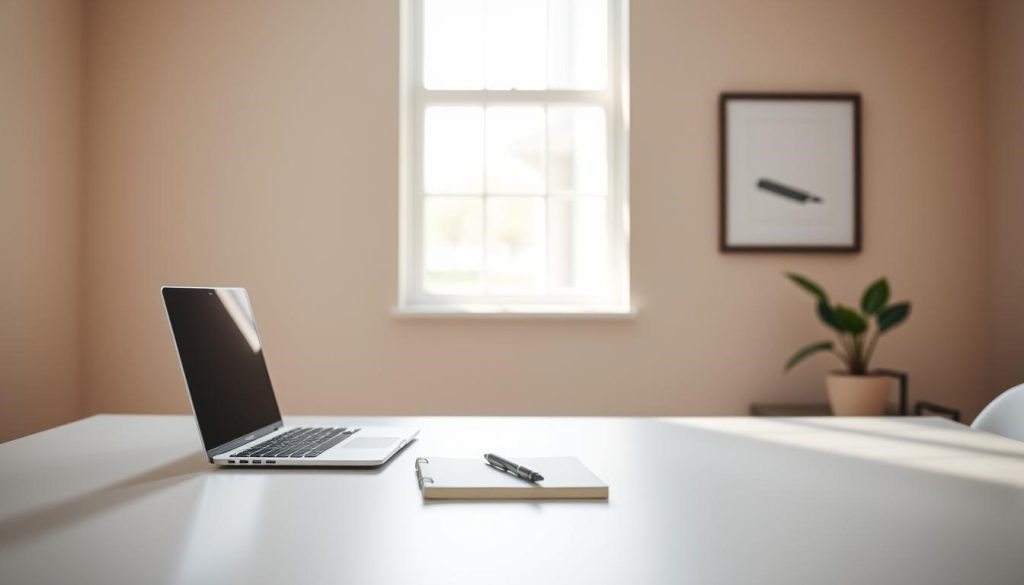
By following these steps, you can make your digital life simpler. This leads to a more organized, less stressful, and more thoughtful use of technology.
Minimalist Wardrobe: Quality Over Quantity
A minimalist wardrobe is not just about having fewer clothes. It’s about choosing items that make you happy and simplify your life. This way, you can enjoy a more organized and efficient fashion approach.
Building a Capsule Wardrobe
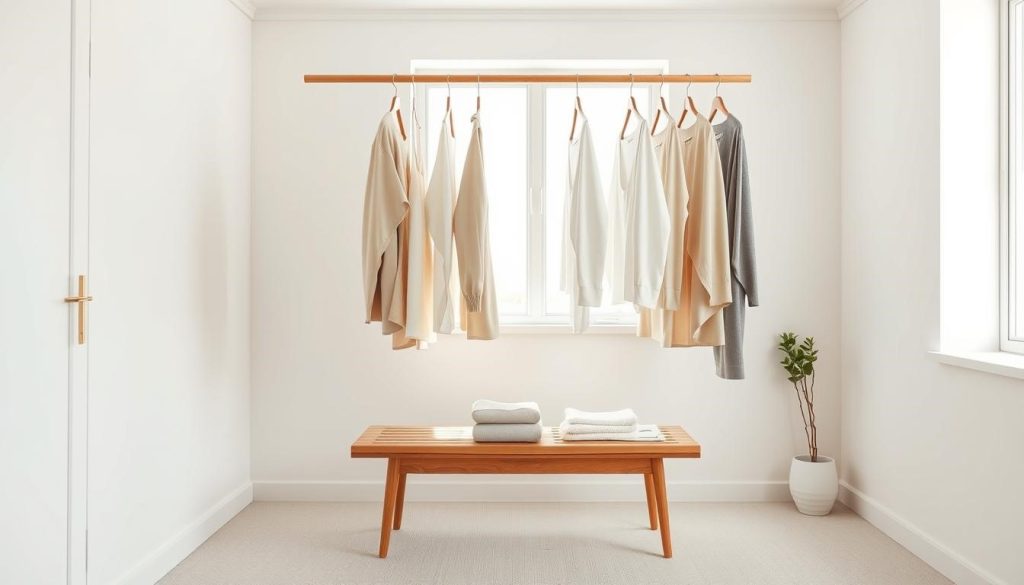
Building a capsule wardrobe means picking a few key pieces. These pieces can be mixed and matched to create many outfits. It makes getting ready in the morning easier and reduces stress.
Seasonal Rotation Strategies
Seasonal rotation is a smart way to keep your wardrobe fresh. Store clothes that are out of season. Focus on the items that fit the current season.
Versatile Pieces for Multiple Occasions
Choosing versatile pieces is essential for a good capsule wardrobe. Look for items that can be dressed up or down. They should work well with many other pieces in your wardrobe.
Sustainable Fashion Choices
Choosing a minimalist wardrobe also means making sustainable fashion choices. Opt for high-quality, timeless pieces instead of fast fashion. This greatly reduces your environmental impact.
The One-In-One-Out Rule
To keep your minimalist wardrobe in check, follow the one-in-one-out rule. For every new item, get rid of an old one. This keeps your collection balanced and free from clutter.
By using these strategies, you can enjoy a more streamlined, sustainable, and stylish fashion approach.
How to Live a Minimalist Lifestyle Day-to-Day
Minimalism is more than a lifestyle; it’s a daily choice. It affects every part of your life. Living a minimalist lifestyle means making a commitment to simplicity and clarity every day.
Mindful Consumption Habits
Mindful consumption is key to minimalism. It’s about knowing your buying habits and making thoughtful choices. Start by figuring out what you really need versus what you want.
Ask yourself if a purchase fits your values and if you really need it. This helps you avoid buying things you don’t need.
- Practice gratitude for what you already have.
- Avoid impulse buys by creating a 30-day waiting period.
- Shop with a list to stay focused on your needs.
These habits not only reduce clutter but also save money and cut down on waste.
Intentional Time Management
Minimalism isn’t just about space; it’s also about time. It’s about spending your time on things that matter to you. Start by tracking how you spend your time for a week.
This will help you see where you can improve. Focus on activities that align with your values and goals.
| Activity | Time Spent | Priority Level |
| Work | 8 hours | High |
| Social Media | 2 hours | Low |
| Exercise | 1 hour | Medium |
Adjust your schedule to focus on what’s important to you.
Creating Meaningful Routines
Creating routines helps keep a minimalist lifestyle. It brings order and normalcy to your life. Find routines that support your minimalist goals, like daily decluttering or weekly meal planning.
You don’t have to be great to start, but you have to start to be great. -Zig Ziglar
By adding these routines to your daily life, you’ll find it easier to live a minimalist lifestyle. You’ll enjoy a simpler, more intentional life.
Minimalist Lifestyle Examples from Real People
The minimalist movement is growing worldwide. People and families from all walks of life are simplifying their lives. This change shows a global desire for a simpler, less cluttered life.
Urban Minimalists
Urban minimalists face special challenges like small spaces and lots of ads. Yet, many have made minimalist living work in the city. They might live in tiny houses or small apartments, where every inch matters.
Decluttering and organizing are key in these tight spots. It helps keep a sense of calm. Urban minimalists also simplify their fashion and digital lives to make their days easier.
Families Embracing Simplicity
Minimalist families often feel less stressed and spend more quality time together. They focus on what’s truly important, creating a peaceful home. They might follow a one-in-one-out rule for new things and declutter together.
This shared effort in simplicity can bring families closer. It teaches kids the value of experiences over stuff.
Minimalism in Different Cultural Contexts
Minimalism looks different in every culture. In Japan, Danshari, or decluttering, is a big part of life. It’s about clearing space for peace. In Scandinavian countries, design often favors simplicity and function.
These examples show how versatile and appealing minimalism is. It’s a choice that can be made by anyone, no matter where they’re from or how they live.
Overcoming Common Minimalism Challenges
Starting a minimalist journey can be tough. Many face obstacles that slow them down. Knowing these challenges and how to beat them is key to a successful minimalist life.
Dealing with Sentimental Items
One big hurdle is sentimental items. These items are full of memories, making them hard to part with. A good solution is to make a memory box for a few special items. This way, you keep the memories but get rid of the clutter.
Digitizing sentimental items is another smart move. Scanning photos and saving them digitally can save space while keeping memories alive.
Managing Family Resistance
Family members might not like the change to minimalism. It’s important to explain the benefits and involve them. Start with small steps and show how it can make life better and less stressful.
Having a family minimalism plan together can make everyone feel part of the journey.
Avoiding Minimalist Burnout
Feeling overwhelmed by minimalism is common. To avoid burnout, set achievable goals and take it slow. Focus on making progress, not being perfect. Celebrate every small win and remember, minimalism is a journey, not a finish line.
| Challenge | Strategy | Benefit |
| Dealing with Sentimental Items | Create a memory box or digitize items | Preserves memories while reducing clutter |
| Managing Family Resistance | Communicate benefits and involve family | Increases family support and cooperation |
| Avoiding Minimalist Burnout | Set realistic goals and celebrate small victories | Maintains motivation and reduces stress |
Minimalism Beyond Possessions
Minimalism is more than just getting rid of stuff. It’s about making our lives simpler and more fulfilling. It helps us in our relationships, career choices, and overall well-being. By living minimally, we can find balance and happiness.
Minimalist Relationships and Social Commitments
Being minimalist in relationships doesn’t mean we have to be alone. It’s about having meaningful connections and being careful with our time. By choosing who we spend time with, we can focus on what truly matters.
- Evaluate the quality of your relationships.
- Learn to say no to social commitments that drain your energy.
- Cultivate deeper connections with a smaller, more meaningful network.
Career and Professional Simplification
Minimalism in our careers means focusing on what’s important. This could mean reassessing our job roles, making our workspaces simpler, or working more efficiently.
- Identify the core aspects of your job that bring the most value.
- Eliminate or delegate tasks that are not essential.
- Consider a career path that aligns more closely with your values and goals.
Minimalist Approach to Health and Wellness
A minimalist health and wellness approach is about simplifying our routines. It’s about focusing on what really helps us feel good. This might mean eating simpler, exercising less but more effectively, and taking care of ourselves in a few key ways.
- Focus on a few, effective health and wellness practices rather than trying many.
- Eliminate unhealthy habits and simplify your diet.
- Prioritize rest and recovery as part of your wellness routine.
Minimalism Inspiration: Books, Documentaries, and Resources
Starting your minimalist journey? You’ll find lots of inspiration in books, documentaries, and online groups. These resources offer valuable insights, practical tips, and motivation to keep you going.
Essential Reading for Aspiring Minimalists
Looking to learn more about minimalism? There are many great books out there. Check out The Life-Changing Magic of Tidying Up by Marie Kondo, Essentialism: The Disciplined Pursuit of Less by Greg McKeown, and Minimalism: Live a Meaningful Life by Joshua Fields Millburn and Ryan Nicodemus. These books will give you a solid understanding of minimalism and how to live it every day.
Visual Media and Documentaries
Documentaries and videos are also great for learning about minimalism. Watch Minimalism: A Documentary About the Important Things and The True Cost to see how less can mean more. These films show how minimalism can change lives for the better.
Online Communities and Support Groups
Online groups are a fantastic way to meet others who love minimalism. Check out The Minimalists, Becoming Minimalist, and r/minimalism on Reddit. These places let you ask questions, share your story, and learn from others on the same path.
| Resource Type | Recommended Resources | Description |
| Books | The Life-Changing Magic of Tidying Up | A practical guide to decluttering and organizing your space. |
| Documentaries | Minimalism: A Documentary About the Important Things | Explores the minimalist lifestyle and its benefits. |
| Online Communities | The Minimalists, Becoming Minimalist | Websites and forums dedicated to discussing minimalism. |
Embracing the Journey: Living More with Less
Starting a minimalist lifestyle changes how we live, work, and see the world. It means getting rid of things we don’t need. This way, we focus on what really makes our lives better.
Being minimalist isn’t just about cleaning up our homes. It’s about thinking simply, intentionally, and freely. When we simplify, we live more simply. We can then focus on what’s truly important.
Living with less helps us feel less stressed and more productive. It makes our lives more meaningful and fulfilling. Minimalism helps us see what’s truly important and let go of the rest.
As we keep moving forward, minimalism touches many parts of our lives. It affects our digital habits, relationships, and personal growth. Embracing minimalism leads to a life that’s more streamlined, efficient, and full of purpose.
You Might Also Enjoy: Zero-Waste Lifestyle: Simple Steps to Reduce Your Waste