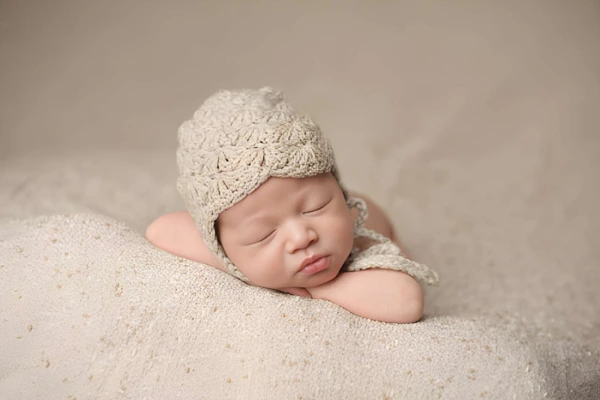
The first few weeks of a baby’s life are a precious time, and capturing these moments is essential for parents. With the average newborn spending around 16-20 hours a day sleeping, it’s the perfect opportunity to take beautiful photos.
Newborn photography requires a gentle and patient approach, combining technical skill with an understanding of how to work with babies. In this article, we’ll cover comprehensive tips on timing, equipment, posing, and editing to help both professionals and parents capture stunning images of their newborn.
Table of Contents
The Magic of Newborn Photography
The magic of newborn photography lies in its ability to capture the tiny details and tender moments of a newborn’s life. It’s the first time you take your child on a trip and do something amazing together, making it a priceless experience.
Newborn photography is more than just taking pictures; it’s about creating timeless memories that will be cherished for generations. These early days are filled with precious moments that might otherwise be forgotten in the blur of early parenthood.
Why These First Days Matter
The first days of a child’s life are fleeting, and newborn photography helps parents remember the tiny details that make these moments so special. By capturing these early images, parents can relive the memories of their child’s first days.
Creating Timeless Memories
Professional newborn photography creates artistic, timeless images that capture both beauty and emotion. These photos become part of a family’s visual history and storytelling, transcending trends to create classic images that will be appreciated for decades. Some key aspects include:
- Newborn photos are becoming cherished family heirlooms passed down through generations
- Images help parents remember details that might otherwise be forgotten
- Professional photography creates artistic and timeless images
- Photos are becoming part of a family’s visual history and storytelling
Perfect Timing for Newborn Photography Sessions
Timing plays a significant role in capturing stunning newborn photographs. The first few weeks of a baby’s life are crucial for photography, as this period offers a unique window of opportunity to capture serene and intimate moments.
The Ideal 4-14 Day Window
The ideal time for a newborn photography session is between 4 to 14 days after birth. During this period, babies are typically sleepier and more flexible, making it easier to pose them for those adorable curled-up shots. This window is considered optimal because it allows photographers to capture the newborn in a state that is both peaceful and photogenic.
Working with Older Newborns
Even if the baby is older than 14 days, don’t feel like you’ve missed the opportunity. Though the session may take a little longer, photographers can still capture amazing photographs. Many newborns photographed beyond the 2-week window turn out to be some of the photographer’s favorites, as they can be more alert and offer different expressions and interactions.
Essential Equipment for Stunning Newborn Photos
Newborn photography equipment plays a crucial role in capturing those precious early moments. The right gear can make a significant difference in the quality of the photos.
Camera Recommendations
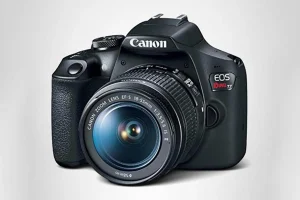
For newborn photography, a DSLR or mirrorless camera is recommended due to its high image quality and manual controls. Brands like Nikon and Canon offer excellent options.
Lens Selection for Newborn Photography
A good lens is essential for capturing detailed, high-quality images. A 50mm or 60mm macro lens is ideal for newborn photography as it provides a shallow depth of field, blurring the background and emphasizing the baby.
Lighting Equipment
Lighting is a critical aspect of newborn photography. Soft, diffused light is preferred as it flatters newborn skin. Natural light is ideal, but artificial lighting options like softboxes can be used when natural light is not available. A well-lit studio with controlled lighting can produce stunning results.
When setting up a home studio, consider using a softbox or a well-diffused window as your primary light source. This will help create a warm and inviting atmosphere for your newborn photography session.
Creating the Perfect Newborn Photography Setting
A well-prepared setting is key to achieving stunning newborn photographs. The right environment can make a significant difference in the quality of the photos, whether you’re opting for a studio session or prefer the comfort of your home.
Studio vs. Home Sessions
Choosing between a studio and home session depends on your personal preference and the atmosphere you wish to create. Studio sessions offer a controlled environment with professional lighting and backdrops. On the other hand, home sessions provide a more intimate setting, allowing you to incorporate personal elements and familiar surroundings.
As noted by a professional photographer, we can use as much or as little of your home as you’d like. If you have great decor, awesome, we can include tiny bits. This flexibility makes home sessions appealing to many parents.

Optimizing Your Space
To create an ideal setting at home, consider the following tips:
- Identify and utilize the best natural light sources in your home, typically near windows.
- Declutter areas that will be photographed to minimize distractions.
- Create simple, clean backgrounds using items you already have at home.
- Control the temperature to ensure a comfortable environment for the baby.
For instance, a simple white sheet or a soft blanket can serve as an excellent backdrop. The key is to keep the setup simple and uncluttered.
| Tip | Description |
| Natural Light | Position the baby near a window to capture soft, natural light. |
| Decluttering | Remove unnecessary items from the area to be photographed. |
| Simple Backgrounds | Use plain colors or simple textures to avoid distractions. |
By optimizing your space and working with a professional photographer, you can create beautiful, memorable newborn photographs in the comfort of your own home.
Mastering Natural Light for Newborn Photos
Mastering natural light is crucial for capturing stunning newborn photos that families will treasure forever. Natural light brings a warmth and softness to the images, making them truly special.
Finding the Best Light in Your Home
To capture the best newborn photos, it’s essential to find the optimal natural light in your home. Look for a bright window that receives soft, indirect sunlight. Avoid direct sunlight as it can be harsh on the baby’s skin and create unflattering shadows.
Working with Window Light
When working with window light, position the baby so that the light hits their face at a 45-degree angle. This technique helps to create a soft, gentle glow on the baby’s features. You can modify the window light using curtains or reflectors to achieve the desired effect. For instance, sheer curtains can diffuse harsh sunlight, while reflectors can bounce light onto the baby’s face, reducing shadows.
Essential Props and Accessories
Incorporating the right props into a newborn photography session can help tell the story of the family’s new addition. Simple, versatile props are key to enhancing the photography without overwhelming the image.
Must-Have Blankets and Wraps
Blankets and wraps are essential props in newborn photography, providing warmth and comfort to the baby during the session. They come in various textures and patterns, allowing for creative flexibility. For instance, a soft, neutral-colored blanket can be used to create a serene backdrop, while a patterned wrap can add visual interest to the image.
Simple Props That Make a Difference
Simple props like baskets, tiny hats, and soft toys can make a significant difference in newborn photography. These props should complement the baby and the family’s story without overpowering the main subject. Everyday items can be repurposed as meaningful props, adding a personal touch to the images.
Newborn Safety During Photo Sessions
Newborn safety is a top priority during photo sessions, requiring careful handling and attention to comfort. Ensuring a safe and comfortable environment for the baby is crucial for a successful photography session.
Handling Techniques
Proper handling techniques are essential for newborn safety. This includes supporting the baby’s head and neck, being gentle when moving or posing the baby, and ensuring that the baby is secure in the photographer’s hands. It’s also important to be aware of the baby’s cues and to respond promptly to any signs of distress.
Temperature and Comfort Considerations
Maintaining a warm and comfortable environment is vital for newborn comfort and safety. The ideal temperature range for newborn photo sessions is between 75°F to 80°F (24°C to 27°C). Heating options such as space heaters or warm blankets can help achieve this. Monitoring the baby’s comfort through observation of their behavior and physical cues is also crucial.
| Comfort Factor | Ideal Condition |
| Temperature | 75°F – 80°F (24°C – 27°C) |
| Handling | Gentle, supportive handling |
| Environment | Quiet, calm, and warm |
Posing Techniques for Sleepy Newborns
Posing a newborn for photography is a delicate process that demands patience, understanding of the baby’s cues, and a gentle touch. The goal is to capture serene and beautiful images while ensuring the baby’s comfort and safety throughout the session.
Classic Newborn Poses
Newborn photography often features classic poses that highlight the baby’s tiny features. These poses are designed to be safe and comfortable for the baby. For instance, the froggy pose, where the baby is curled up with their hands near their face, is a popular choice. It’s essential to support the baby’s head and neck during these poses.
Working with Baby’s Natural Movements
One of the keys to capturing authentic newborn photos is working with the baby’s natural movements. Rather than forcing a pose, photographers should observe and gently guide the baby into comfortable positions. This approach not only ensures the baby’s comfort but also results in more natural and endearing images. For example, allowing a baby to snuggle into a blanket can create a cozy and inviting scene.
| Pose | Description | Safety Tip |
| Froggy Pose | Baby curled up with hands near face | Support the head and neck |
| Swaddled Pose | Baby wrapped snugly in a blanket | Ensure proper wrapping to avoid overheating |
| Tummy Pose | Baby lying on their stomach | Monitor breathing and comfort |
Capturing Authentic Family Connections
Newborn photography isn’t just about the baby; it’s also about capturing the love that surrounds them. As families welcome a new member, the bonds between parents, siblings, and even pets are redefined.
Including parents in the frame is essential for capturing these authentic moments. Gentle poses that feature parents holding or interacting with their newborn can create tender and lasting memories. It’s about showcasing the love and connection that develops during this special time.
Including Parents in the Frame
When parents are involved in the photography session, it adds a layer of emotional depth to the images. Simple poses like a parent cradling the baby or giving a gentle kiss can convey the deep bond between them. It’s crucial to keep the poses natural and relaxed to avoid any stiffness.
Sibling and Pet Interactions
Siblings and pets are an integral part of the family, and capturing their interactions with the newborn can be incredibly heartwarming. For siblings, it’s best to take photos first while they’re fresh and excited, then have them leave with another family member to avoid fatigue. Neutral, earthy tones in clothing can help create a harmonious and natural look in the photos.
- Safely Incorporating Siblings: Prepare older children by explaining their role in the session. Keep the initial interactions brief and fun to maintain their engagement.
- Capturing Natural Interactions: Allow siblings and pets to interact naturally with the newborn. This could mean having them gently touch the baby’s hand or simply being near.
- Including Pets: Pets are always welcome in newborn photography sessions. Ensure they’re calm and well-behaved to create serene and natural images.
Patience and flexibility are key when photographing multiple family members together. It’s about capturing the genuine moments that make the family special.

Troubleshooting Common Newborn Photography Challenges
Newborns can be unpredictable, and photographers need to be ready for anything that comes their way. During a newborn photography session, several challenges may arise, from a baby who refuses to sleep to unexpected incidents like diaper blowouts.
When Baby Won’t Sleep
Sometimes, despite the best efforts, a baby might remain awake during a session. In such cases, photographers can try to capture awake and alert images, focusing on the baby‘s expressions and interactions.
Dealing with Fussiness and Diaper Incidents
Fussiness and diaper incidents are common challenges during newborn photography. Photographers should be prepared to soothe the baby and handle any messes professionally, ensuring the session continues smoothly.
Post-Processing Newborn Photos
The editing process is essential for newborn photographers to refine their work. Editing newborn photos requires a gentle touch and the right software to enhance the quality of your images without altering their natural beauty.
Gentle Editing Approaches
A gentle editing approach is crucial in photography, especially when it comes to newborns. This involves making subtle adjustments to brightness, contrast, and color balance to maintain the natural look of the baby’s skin tones and surroundings.
Software Options for Beginners
For those new to editing, there are several software options available. Adobe Photoshop and Lightroom are industry standards, offering powerful tools for photo editing. However, for beginners, more accessible alternatives like Canva or free online editors can be a good starting point.
DIY vs. Professional Newborn Photography
With a little creativity, DIY newborn photography can yield stunning results without the need for a professional studio. Many parents wonder whether to hire a professional or take on the task themselves.
When to Hire a Professional
Consider hiring a professional for newborn photography if you’re looking for high-end, edited photos or if you’re not comfortable handling your baby. Professionals have the equipment and expertise to capture those perfect moments safely and beautifully.
Making the Most of DIY Sessions
For a successful DIY session at home, focus on natural light and simple setups. Use soft blankets and keep props to a minimum. Practice and patience will help you capture beautiful photos during these precious early sessions.
- Utilize natural light by placing your baby near a window.
- Keep the room warm to ensure your baby’s comfort.
- Use a camera with good image quality, or a smartphone with a high-quality camera.
Preserving Your Precious Newborn Photographs
Captured moments with your newborn are precious and worth preserving. To ensure these precious memories last a lifetime, it’s essential to properly preserve your newborn photographs.
You can store and display your newborn images in various ways, such as digital albums or beautifully crafted photo books. Implementing a robust digital backup strategy is also crucial to prevent the loss of these cherished family memories.
Consider incorporating your newborn photos into your home decor or creating meaningful gifts for your loved ones. By doing so, you’ll be able to cherish these treasured moments for years to come, and they will become even more valuable with time.
You Might Also Enjoy: Best Affordable Camera for Beginners: Top Picks 2026