

The United States produces over 292 million tons of waste each year. A lot of this waste could be avoided. By choosing sustainable living, we can cut down on this number.
Living a zero-waste lifestyle helps us reduce our impact on the environment. It means making smart choices every day. We aim to reduce, reuse, and recycle more, sending less waste to landfills.
Small actions can add up. Using reusable bags, saying no to single-use plastics, and composting help a lot. By making these ways to reduce waste part of our daily lives, we help create a greener future.
Table of Contents
What Is a Zero-Waste Lifestyle?
A zero-waste lifestyle means making less waste and caring for the planet. It’s about changing how we think and act every day.
Living zero-waste is more than just cutting down on trash. It’s about making choices that help the environment. These choices can greatly reduce our harm to the planet.
The Philosophy Behind Zero-Waste
The zero-waste philosophy is about living in a way that’s good for the Earth. It’s about understanding how our daily actions affect the planet.
This philosophy teaches us to think before we buy. It tells us to avoid things we can use once and to choose items that last longer. By doing this, we help reduce waste and pollution.
The 5 Rs: Refuse, Reduce, Reuse, Recycle, Rot
The 5 Rs are key to a zero-waste lifestyle. Refuse means saying no to things we don’t need. Reduce is about using less by choosing items with less packaging or buying in bulk.
Reuse is finding new uses for things we might throw away. Recycling turns old materials into new products, saving raw materials. And Rot means composting food waste to make soil.
By following the 5 Rs, we can greatly reduce our waste. This helps make the world a better place for the future.
Why Adopting a Zero-Waste Lifestyle Matters
The world faces big challenges with waste management. Adopting a zero-waste lifestyle is more important than ever. It affects the environment, economy, and society. Understanding these impacts shows why reducing waste is key.
Environmental Impact of Waste
Waste has many bad effects on the environment. It leads to pollution, climate change, and uses up natural resources. For example, landfills produce methane, a harmful gas. Goods production, transport, and disposal also cause carbon emissions.
By cutting down on waste, we can lessen these problems. This helps protect our ecosystems. Some benefits include:
- Reducing landfill waste
- Conserving natural resources
- Decreasing greenhouse gas emissions

Personal Benefits of Going Zero-Waste
Going zero-waste is good for the planet and for you. It makes you think more about what you buy, saving money and keeping your space tidy. It also means less exposure to harmful substances, which is better for your health. Some benefits are:
- Saving money by buying less
- Healthier living by avoiding toxins
- Feeling better overall by living sustainably
By choosing a zero-waste lifestyle, you help the planet and improve your life. It’s not just about cutting down on waste. It’s about living in a way that cares for the environment and values sustainability.
Getting Started: Assessing Your Current Waste
Starting a zero-waste journey means first understanding your waste. This step is key to spotting where you can make big changes. By looking at your waste, you can create a plan to lessen your impact on the environment.
Conducting a Waste Audit
A waste audit is easy. It involves sorting your trash for a week or two. This helps you see what you’re throwing away and how much. Begin by setting up a space for your audit, where you can sort items into types like paper, plastic, glass, and organic waste.
Identifying Your Biggest Waste Sources
After your audit, find out what wastes the most. Look for patterns, like a lot of food packaging or single-use plastics. By knowing these, you can think of ways to reduce waste better. For example, using reusable bags and containers or buying in bulk can help.
Knowing your waste habits makes living sustainably easier. This knowledge lets you make choices that cut down your waste a lot.
Practical Ways to Reduce Waste Daily
Reducing waste daily is easy with simple changes. By making a few tweaks to our daily habits, we can greatly lessen our impact on the environment.
Simple Swaps for Common Disposables
One simple way to cut down on waste is to swap disposables for reusable items. For example, using cloth towels instead of paper towels or switching to reusable bags for shopping. These small changes can add up and make a big difference. Try using a refillable water bottle and a safety razor instead of disposable ones.
Creating New Habits for Sustainability
Building new habits is key to living a zero-waste lifestyle. Start by looking for ways to cut down on waste, like using less packaging or avoiding plastics. Adding new habits slowly can have a big effect. Begin by planning meals, using reusable containers, and buying in bulk to reduce waste.
By making these simple swaps and adopting new habits, we can significantly reduce our daily waste. This helps us move towards a more sustainable future.
Kitchen Transformations for Zero-Waste
Your kitchen can be a place where you help the planet. Start by using plastic-free food storage. Making your kitchen zero-waste helps the environment and makes cooking healthier.
Plastic-Free Food Storage Solutions
To start a zero-waste kitchen, get rid of plastic for food storage. Switch to glass containers or beeswax wraps instead of plastic wrap. These are reusable and keep food fresh longer.
Shopping in Bulk to Minimize Packaging
Buying in bulk is a great way to cut down on waste. Grains, nuts, and dried fruits in bulk mean less packaging. Store these items in airtight containers to keep them fresh.
Embracing Imperfect Vegetables
Choosing imperfect vegetables is a simple way to reduce waste. Many fruits and veggies are thrown away because they look bad, but they’re still good to eat. Buying these ugly items saves money and reduces waste.
As environmental groups say, reducing food waste is key to fighting climate change. Simple kitchen changes help make our food system more sustainable.
Tackling Food Waste in Your Home
By using a few simple strategies, you can cut down on food waste at home. Food waste is a big problem worldwide. It harms the environment and wastes resources.
Meal Planning Strategies
Good meal planning is key to less food waste. Plan your meals to make a list of what you need. This way, you avoid buying too much food that might go bad.
Think about using what you already have in your pantry. This helps avoid expired or spoiled food.
Proper Food Storage Techniques
Storing food properly is another important step. Keep your fridge at the right temperature. Store food in airtight containers to keep it fresh.
Know how long different foods last. Use the first in, first out rule to avoid expired food.
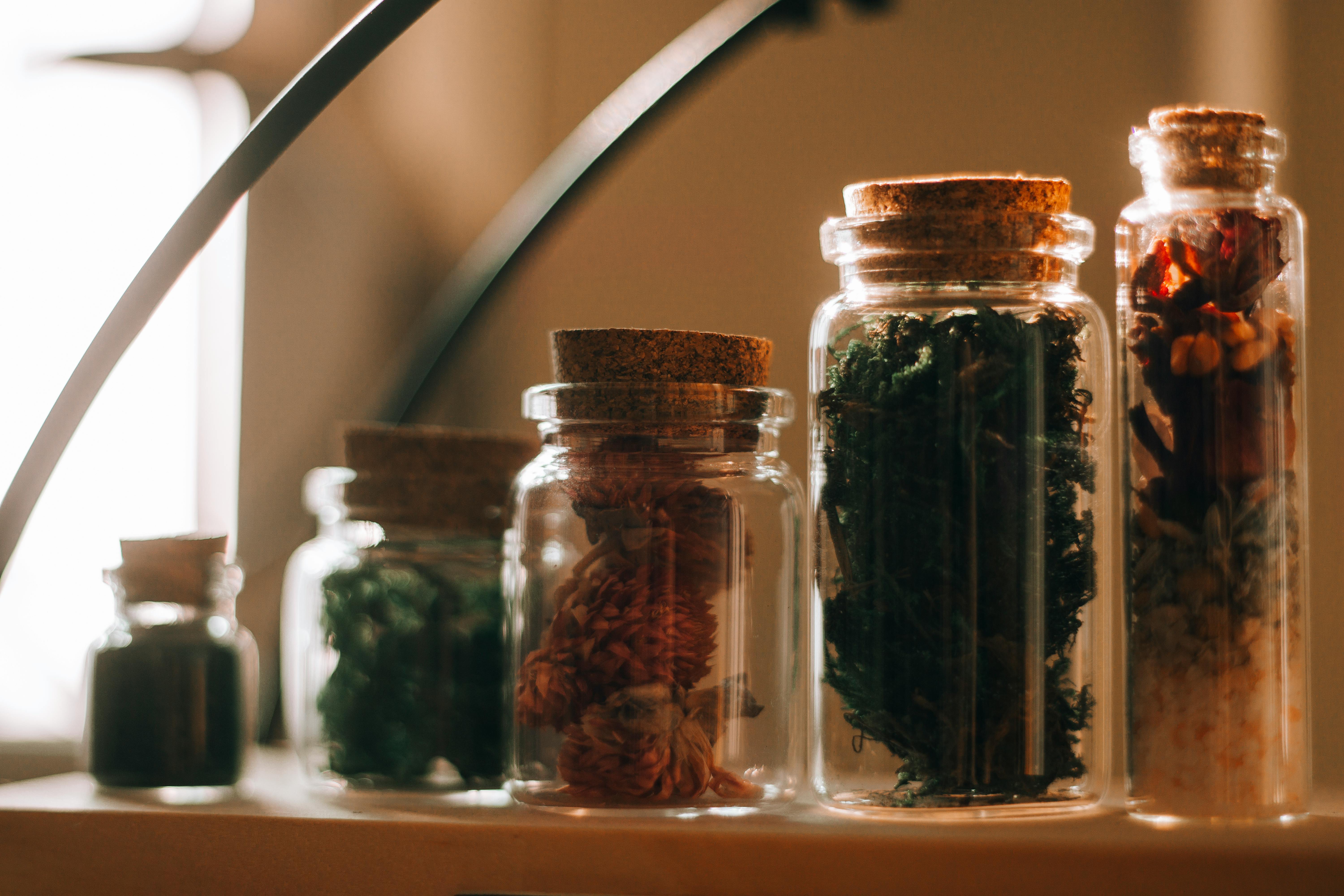
How Does Food Waste Affect the Environment
Food waste has a big impact on the environment. When food rots in landfills, it makes methane, a harmful gas. Also, the effort to grow, transport, and store food that’s wasted is all for nothing.
By cutting down on food waste, you help the planet. You’re moving towards a greener future.
Zero-Waste Bathroom Essentials
Turning your bathroom into a zero-waste area is easier than you might think. A few simple changes can greatly reduce your environmental impact. Bathrooms are often filled with products that waste, like plastic bottles and disposable items. But with the right eco-friendly house products, you can make your space more sustainable.
First, think about your toiletries. Many of these come in plastic, which often ends up in landfills or oceans. Choosing plastic-free toiletries is a big step towards a zero-waste bathroom.
Plastic-Free Toiletries
Toiletries are a big part of our daily lives, but can also be a big source of waste. Here are some sustainable living tips for using plastic-free toiletries:
- Bar soap is better than liquid soap in plastic bottles.
- Try toothpaste tablets or powder to avoid plastic tubes.
- Use a safety razor or a bamboo toothbrush to cut down on plastic waste.
Sustainable Menstrual Products
Menstrual products are a big source of waste for many. But there are sustainable menstrual products that can make a big difference:
- Menstrual cups are reusable and can last for years.
- Period panties can absorb menstrual flow and be worn alone or as a backup.
- Reusable cloth pads are a green alternative to disposable pads and tampons.
By using these eco-friendly house products in your bathroom, you reduce waste and live more sustainably. Every small change helps, and these adjustments can have a big positive effect on the environment.
Eco-Friendly Laundry Practices
Switching to eco-friendly laundry practices is easy and helps the planet. A few tweaks to your laundry routine can make a big difference.
Non-Toxic Laundry Detergent Options
Choosing a non-toxic laundry detergent is a big step. Traditional detergents have harsh chemicals that are bad for you and the environment. Non-toxic alternatives use natural ingredients that are better for clothes and the planet.
DIY Laundry Detergent Recipes
Making your own laundry detergent is cheap and good for the planet. Recipes often include washing soda, borax, and soap. Customizing your detergent helps avoid harsh chemicals found in store-bought products.
Store-Bought Eco-Friendly Options
If DIY isn’t your thing, there are many eco-friendly detergents in stores. Look for biodegradable products without phosphates and harmful chemicals. Brands that care about the environment usually label their products clearly.
Reducing Microplastic Pollution
Microplastics from clothes and detergents pollute oceans a lot. To help, use a microfiber filter in your washer or choose natural fibers for clothes. Also, pick detergents that don’t release many microplastics.
By adopting these eco-friendly laundry habits, you help the environment. Every small change helps, and making smart laundry choices has a big impact.
Sustainable Cleaning Products and Methods
Choosing sustainable cleaning products and methods is key to a zero-waste lifestyle. As we learn about the environmental effects of our daily actions, we must look at our cleaning habits. This includes the products and methods we use at home.

Traditional cleaning products often have harsh chemicals that can harm us and the planet. On the other hand, eco-friendly cleaning products are a safer choice. They are made from natural ingredients that break down easily and are safe for us.
DIY Cleaning Solutions
Making your own cleaning solutions is a simple way to go green. You can use common items like baking soda, vinegar, and lemon juice. These ingredients clean well and are good for the environment.
For instance, baking soda and water can scrub away tough stains. A mix of equal parts water and white vinegar can clean surfaces and cut grease.
Reusable Cleaning Tools
Using reusable cleaning tools is another way to cut down on waste. Instead of paper towels, which harm forests and create waste, try microfiber cloths. These can be washed and used many times.
Other reusable tools include scrubbers from natural fibers and bamboo brushes. They work well and are good for the planet, reducing the need for disposable cleaning items.
By using these sustainable cleaning products and methods, we help our planet and lessen our impact on it. Remember, the earth has enough for everyone’s needs, but not enough for everyone’s greed. – Mahatma Gandhi.
Minimizing Waste in Your Wardrobe
Adopting a zero-waste approach to your wardrobe can greatly reduce your environmental impact. The fashion industry is a huge polluter, with fast fashion adding to the waste. By choosing wisely for our wardrobes, we can make a big difference.
Building a Capsule Wardrobe
Creating a capsule wardrobe is a smart way to cut down on waste. It means having a small set of essential items that can be worn in many ways. This way, you focus on quality over quantity, reducing the need for constant buying and waste from old clothes.
Begin by reviewing your current clothes. Look for items that are timeless, fit well, and make you happy. Remember the 80/20 rule, where you likely wear 20% of your clothes 80% of the time. This helps decide what to keep and what to discard.
Sustainable Fabric Choices
Choosing clothes made from sustainable fabrics is also key. Fabrics like organic cotton, recycled polyester, and Tencel are better for the planet than synthetic ones. When you shop, seek out brands that use these materials and sustainable methods.
By combining a capsule wardrobe with sustainable fabrics, you’re not just reducing waste. You’re also helping the fashion industry become more sustainable. This approach fits with other sustainable living tips and can even guide your choices for eco-friendly gifts, like experiences or items that support green living.
Zero Waste On-the-Go Habits
Living zero-waste isn’t just for home; it’s about making smart choices everywhere. Developing habits for on-the-go is key.
Creating a Zero-Waste Kit
A zero-waste kit is a smart set of items to avoid single-use plastics. Must-haves include reusable bags, a water bottle, and a coffee cup. These items help cut down your waste.
Navigating Restaurants and Takeout
Eating out or getting takeout doesn’t have to hurt your zero-waste goals. Look for restaurants with eco-friendly packaging or ask to skip certain items. When you get takeout, bring your own containers or ask for less packaging.
Being aware of your choices and planning ahead keeps your zero-waste lifestyle going, even when you’re out.
Demystifying Recycling: What You Need to Know
As we try to reduce our environmental impact, learning about recycling is key. Recycling is vital for a zero-waste life. It saves natural resources, cuts down landfill waste, and lowers harmful emissions. But recycling works best when we know how it works.
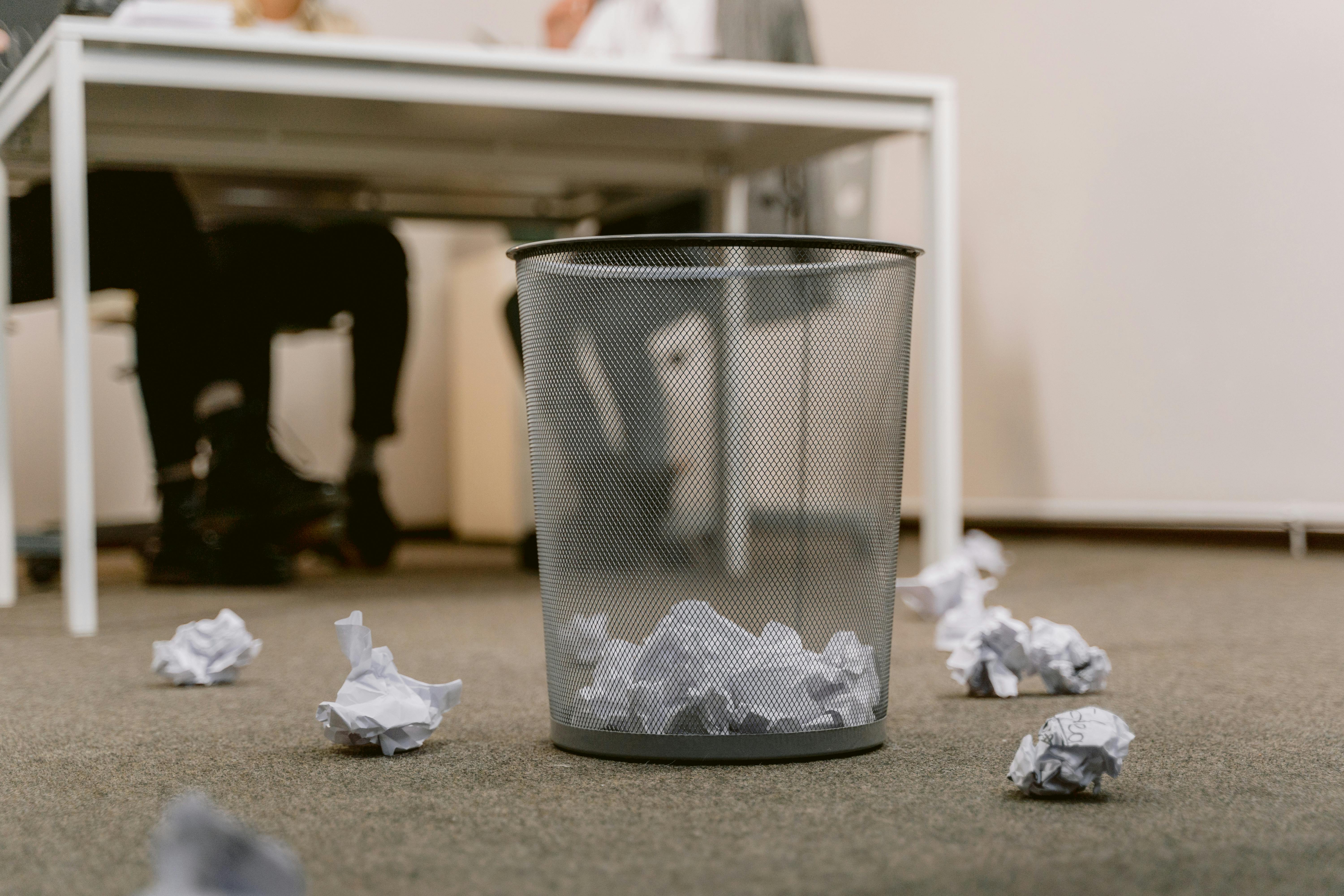
Common Recycling Mistakes
Many people accidentally ruin recyclables by not following the rules. Common errors include:
- Not rinsing food residue from containers
- Placing non-recyclable materials in the recycling bin
- Failing to remove lids and labels from recyclables
Knowing these mistakes can make a big difference in recycling quality.
Can Styrofoam Be Recycled with Cardboard?
Styrofoam, or expanded polystyrene (EPS), usually can’t be recycled with cardboard. It’s because Styrofoam is a different plastic that’s hard to recycle. But some places and businesses might take Styrofoam for recycling. Always check with your local recycling to find out how to dispose of Styrofoam.
Understanding Recycling Symbols
Recycling symbols on products show what material they’re made of and if they can be recycled. Knowing these symbols helps you recycle right. For example, the resin identification code (RIC) is a number from 1 to 7 that tells you the plastic type. Knowing these codes and what your local recycling accepts helps reduce waste and boost recycling rates.
By learning about recycling and what to do and not to do, we can greatly help the environment. Simple steps like sorting recyclables correctly and avoiding common mistakes make recycling more effective.
Composting Basics for Beginners
Composting is a simple way to cut down on household waste. It turns waste into a nutrient-rich soil amendment for your garden. By composting, you can greatly reduce your environmental impact.
Composting breaks down organic materials into a form for your garden. This not only cuts down on landfill waste but also gives you a valuable gardening resource.
Indoor Composting Methods
Indoor composting is perfect for those with little outdoor space. You can use a compost bin or a bokashi bin to keep odors down. These can fit in a kitchen or utility area. Think about your space and how much upkeep you can handle when choosing.
What Can and Cannot Be Composted
Knowing what can be composted is key. Organic materials like fruit peels, tea bags, and coffee grounds are great. But avoid meat, dairy, and pet waste as they attract pests and smell bad. Composting properly helps you live more sustainably and use eco-friendly household products well.
By following these composting basics, beginners can start reducing waste and making their gardens healthier. Composting is a simple yet powerful way to live more sustainably.
Eco-Friendly House Products Worth Investing In
Choosing eco-friendly house products is key to lessening our environmental impact. As we aim for a zero-waste lifestyle, we must check our home products. We need to find ways to improve.
Using long-lasting items instead of disposables is a smart move. It cuts down on waste and saves money over time.
Long-Lasting Alternatives to Disposables
Switching to reusable items like cloth napkins, stainless steel straws, and glass containers helps a lot. These might cost more at first, but they save money later.
For example, using cloth towels instead of paper towels or a metal razor instead of disposable ones makes a big difference. Investing in quality products that last is vital for living sustainably.
Evaluating Product Sustainability
When checking a product’s sustainability, think about its materials, how it’s made, and how it’s disposed of. Choose products made from sustainable materials that last and can be recycled or reused.
Also, look at the brand’s commitment to the environment and its policies. Making smart choices helps us support sustainable practices and lessen our environmental harm.
By adding eco-friendly products to our daily lives and following sustainable tips, we can make our homes greener. This helps us have a bigger positive effect on our planet.
Thoughtful Gift-Giving: Eco-Friendly Gifts
Eco-friendly gifts are more than a trend. They show love and care for both the person and the planet. As we think more about our environmental impact, we should also consider our gifts.

Experience Gifts Over Material Items
Choosing experience gifts over physical ones can greatly reduce waste. Think about tickets to a concert, a play, or a local event. Or maybe a cooking class or a weekend trip. These gifts make memories and don’t harm the environment as much.
By picking experience gifts, you also help local businesses and artists. This makes your gift even more special and beneficial.
Sustainable Wrapping Techniques
Wrapping gifts can be more eco-friendly, too. Instead of regular wrapping paper, try reusable cloths, furoshiki wraps, or old maps and newspapers. These choices cut down on waste and add a personal touch.
Get creative with nature for your gift decorations. Use leaves, twigs, and flowers. It makes your gifts unique and supports sustainable living.
Embracing the Zero Waste Lifestyle: Your Journey to a Sustainable Future
Starting a zero-waste lifestyle is a big step towards a greener future. Simple changes in daily life can make a big difference. Begin by using less plastic, composting food, and picking products with less packaging.
This journey is about making smart choices in many areas of life. It includes changing how we use our kitchens and do laundry. By adding sustainability tips to our daily lives, we help the planet.
Living zero waste does more than just help the environment. It makes us think more about what we buy and use. By choosing a zero-waste lifestyle, you help create a better world for the future.
Every little change helps, and together we can make a big difference. Keep moving forward on your path to a greener life. Every step you take is a step towards a better future.
You Might Also Enjoy: Motivational Quotes for Women to Boost Confidence